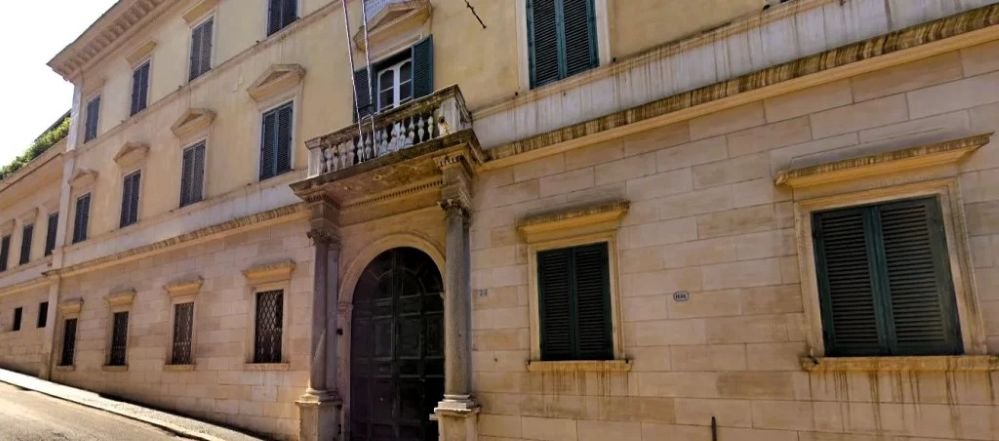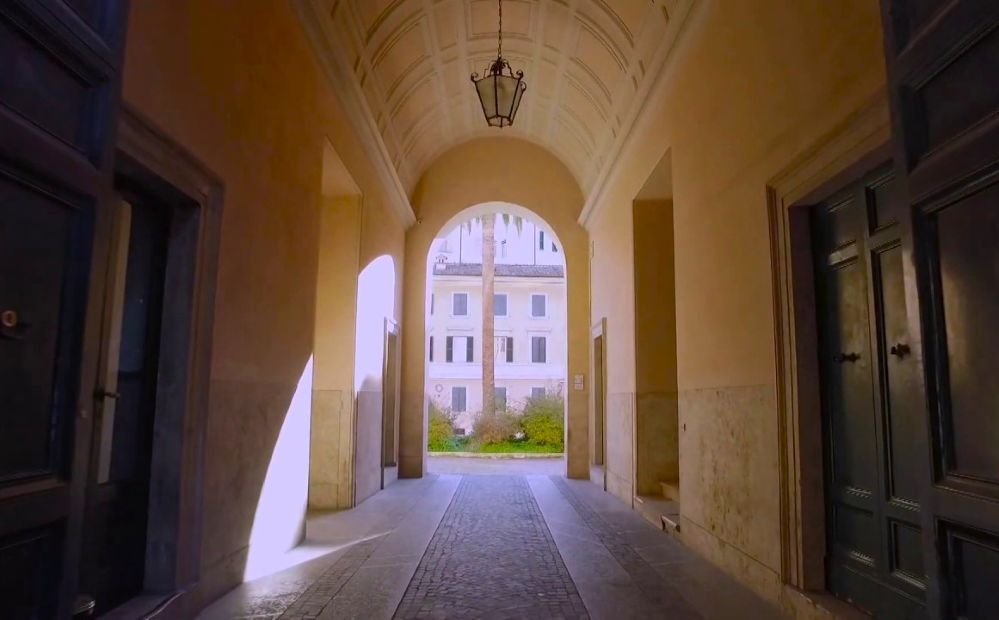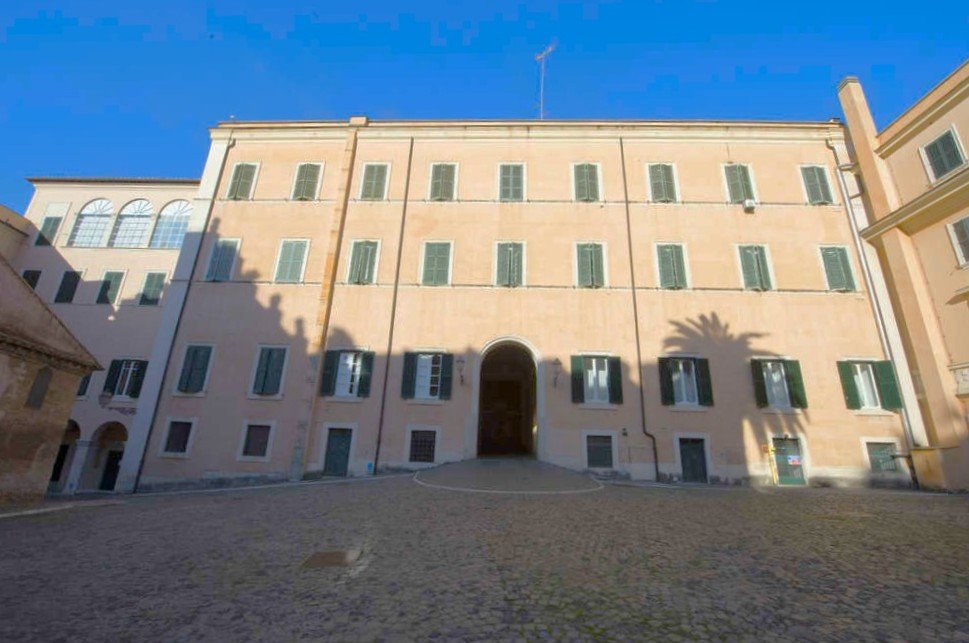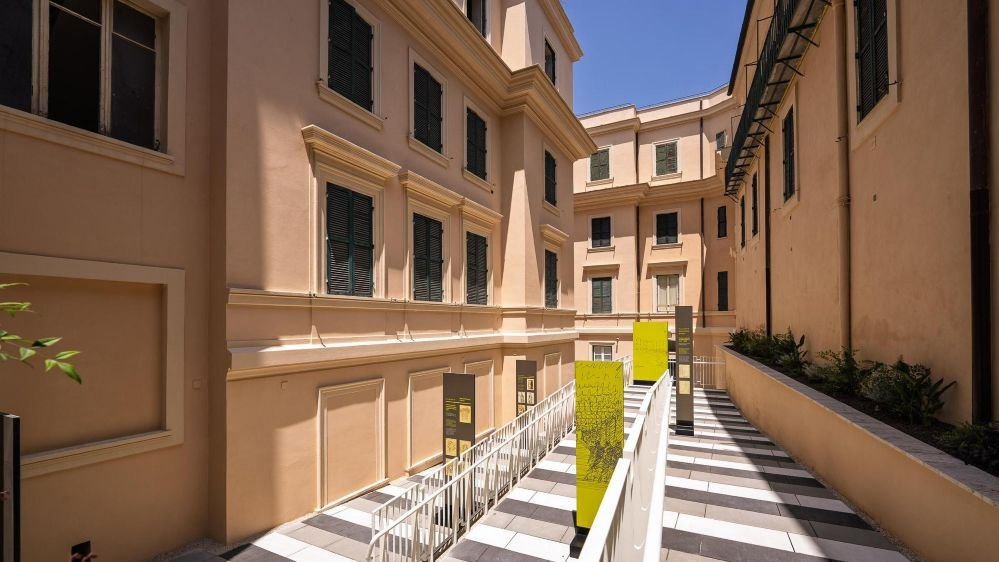
In the heart of Rome, Palazzo San Felice has a history that goes back centuries: over time, it has been a Benedictine monastery, home to Capuchin friars, a papal residence, a military barracks and today, owned by the Presidency of the Republic, it is preparing to start a new chapter as the future home of the Library of Archaeology and Art History.
A living symbol of the architectural and cultural stratification of the Eternal City, Palazzo San Felice is exceptionally open to the public for a unique and unrepeatable visit. Once the Palazzo becomes a library, this experience will be nothing more than a memory.
The visit takes visitors on a journey through the past, present and future, designed to accompany them through spaces that are still undergoing transformation: today a construction site, tomorrow the beating heart of research and knowledge.
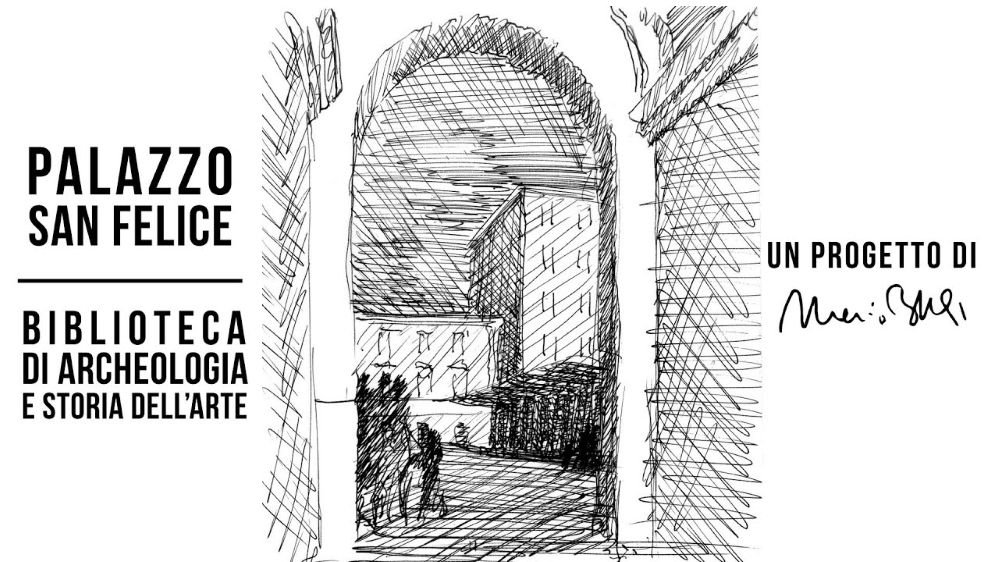
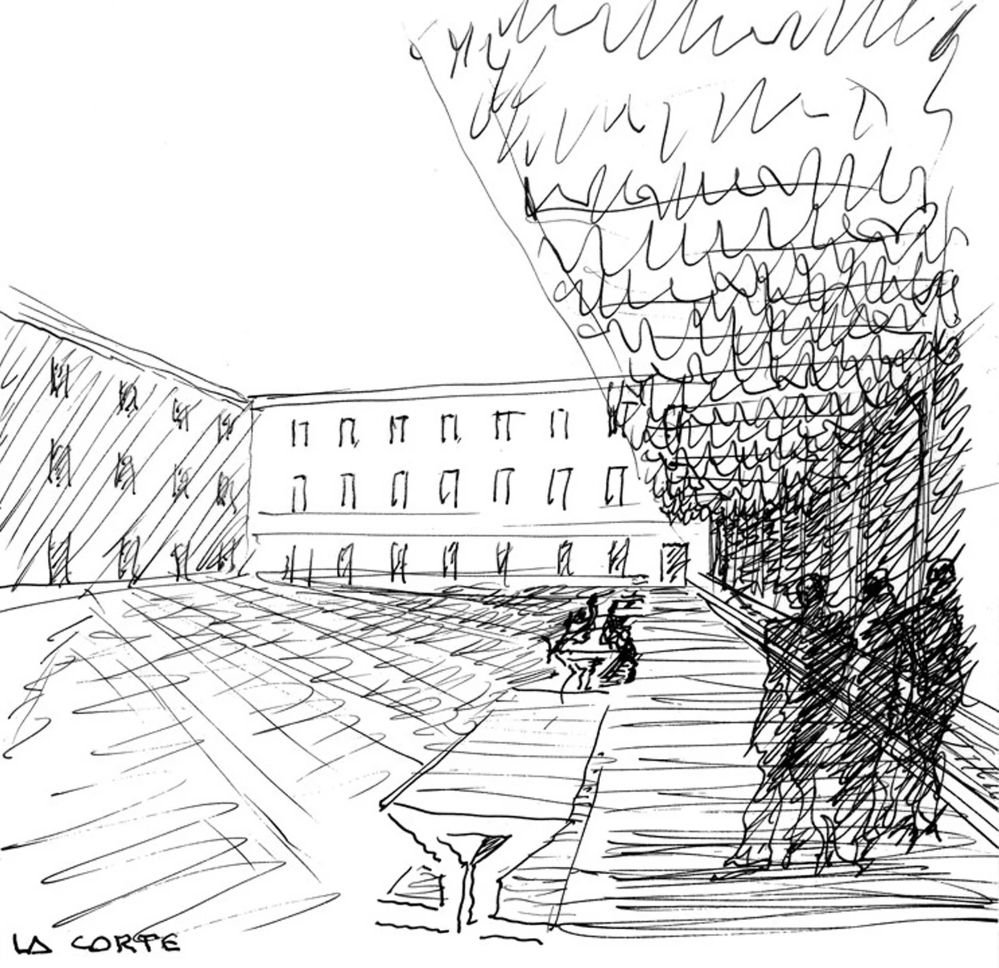
The story takes shape through a series of original sketches by architect Mario Botta, creator of the refurbishment project, and an immersive 4D multimedia installation, which allows visitors to understand the ambition and scope of the architectural intervention.
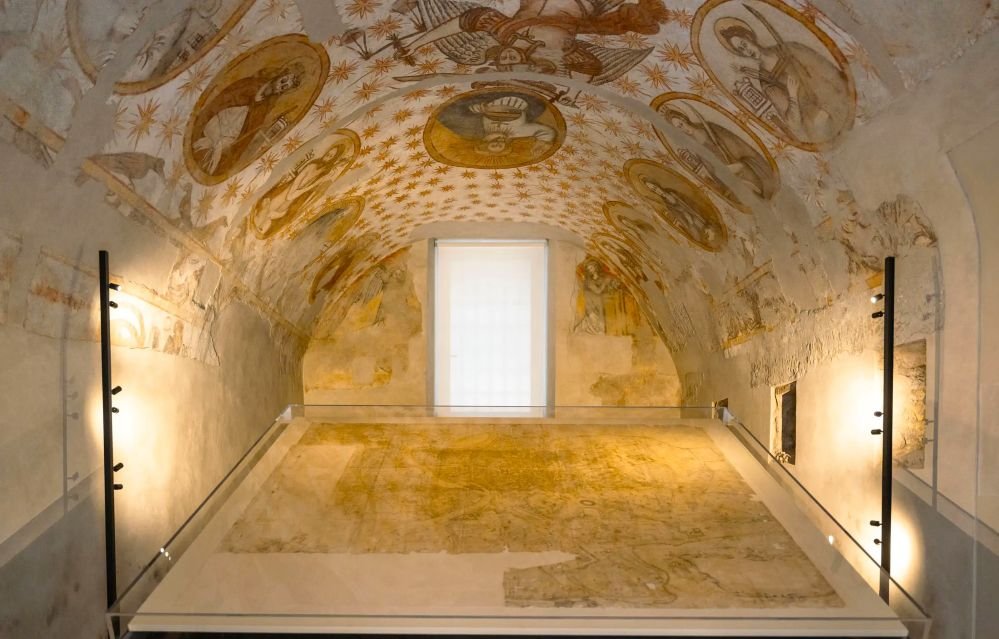
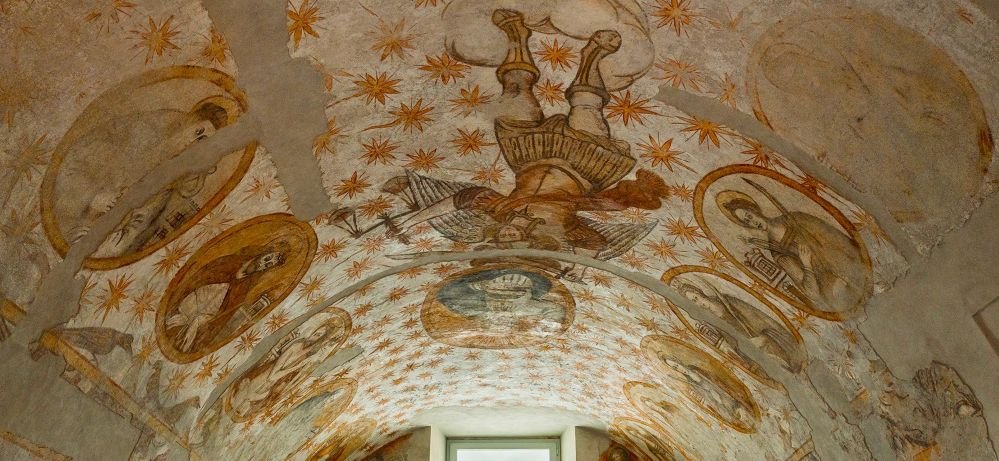
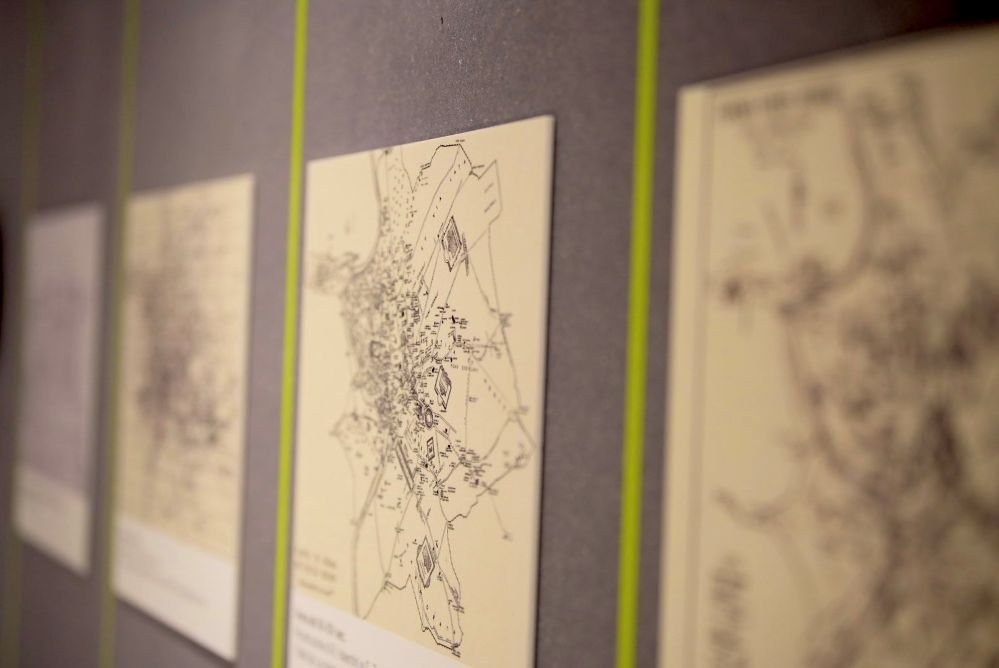
The wonders continue with the opportunity to admire Giovan Battista Nolli’s Design for the New Map of Rome: the first scientific survey of the entire city, a milestone in 18th-century European cartography. This extraordinary document is displayed under a cycle of 15th-century frescoes that emerged during the restoration work.
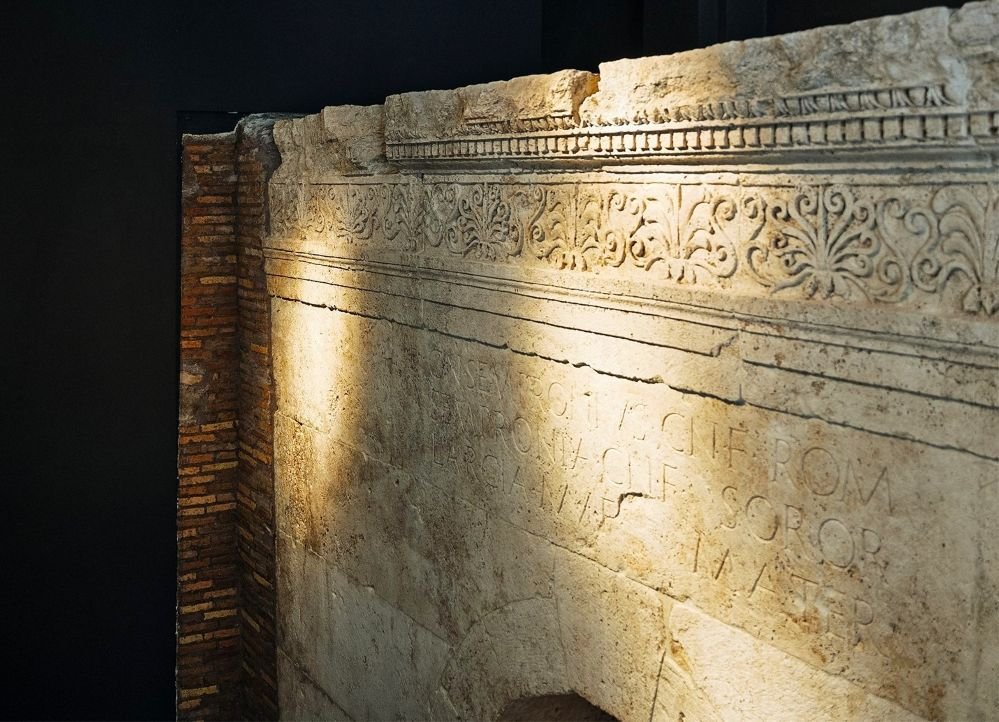
The highlight of the experience comes with access to the Sepulchre of the Semproni, a tomb from the late Republican era, discovered in 1863. Belonging to the gens Sempronia, it is one of the oldest examples of brickwork in Rome.
An immersive and exciting visit that recounts the material and symbolic stratification of the capital: a secret Rome that looks ahead without ever losing touch with its roots.