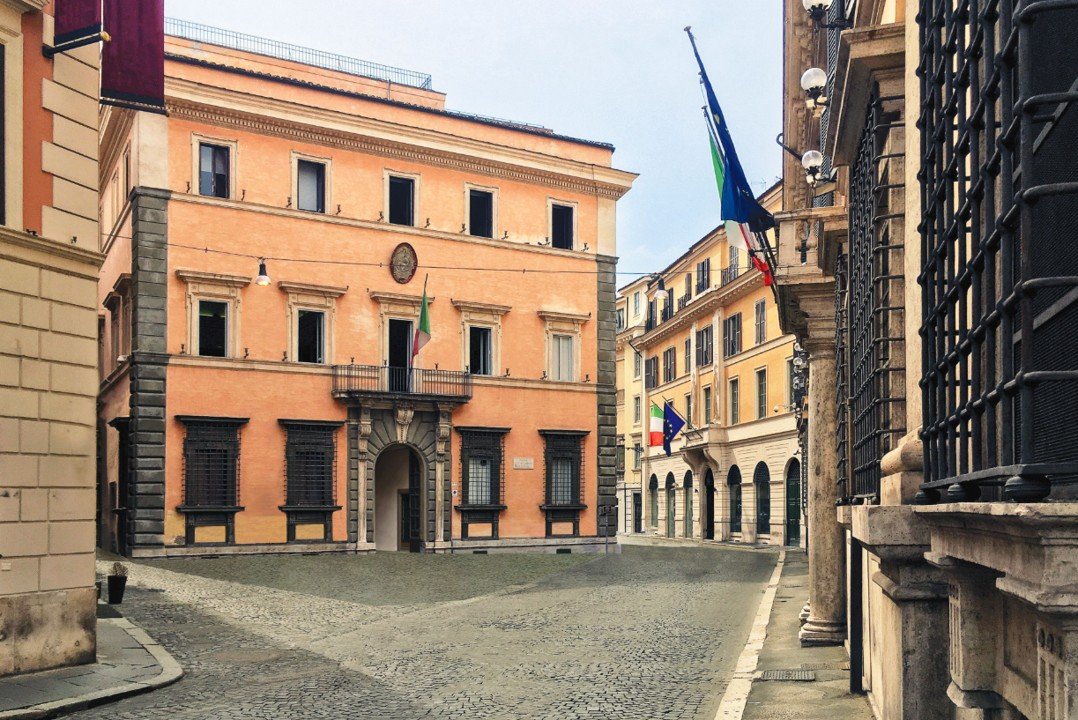
A few steps from the Trevi Fountain is one of the most prestigious and long-standing institutions of Italian artistic culture: the National Academy of Saint Luke. A place where art, education and research have been intertwined for over four centuries, breathing new life into the great Italian figurative tradition every day.
Officially founded in 1577 by the painter Girolamo Muziano, with the support of Pope Gregory XIII, the Academy was created with a specific and ambitious goal: to elevate the figure of the artist by offering a place for education and discussion. Under the guidance of its first “Prince”, Federico Zuccari, and later through key figures such as Carlo Maratta and Antonio Canova, the Academy established itself as one of the most influential artistic institutions in Europe, capable of bringing together painters, sculptors and architects under a single common discipline: drawing.
Over the centuries, it has been a cultural driving force and a breeding ground for talent, promoting competitions and awards, such as the famous Concorso Clementino and the current Premio Giovani, designed to support the new creative generation. This mission continues today, with an eye always on the future.
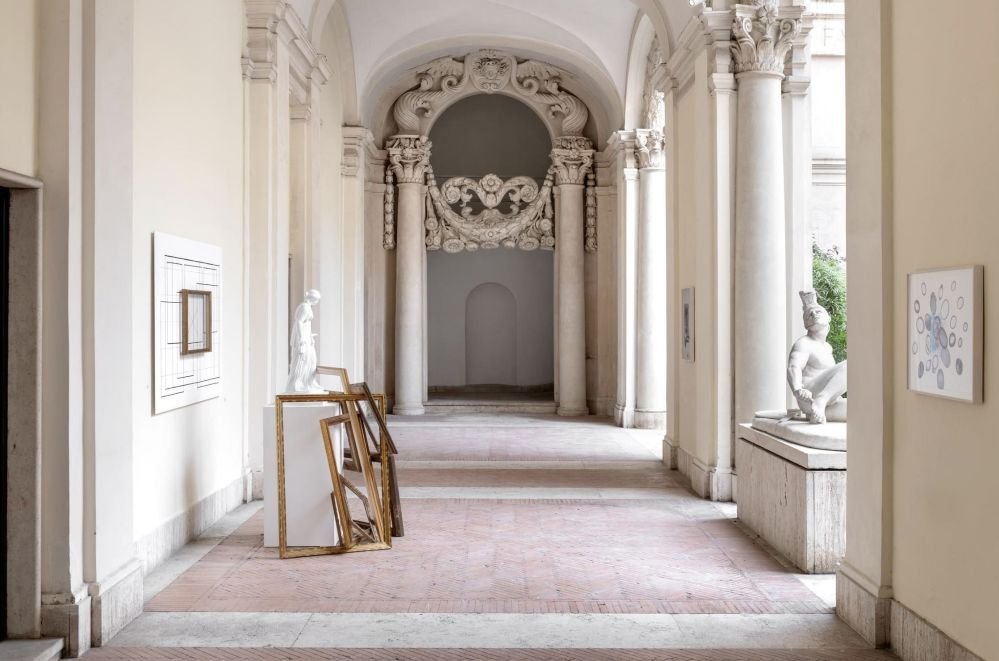
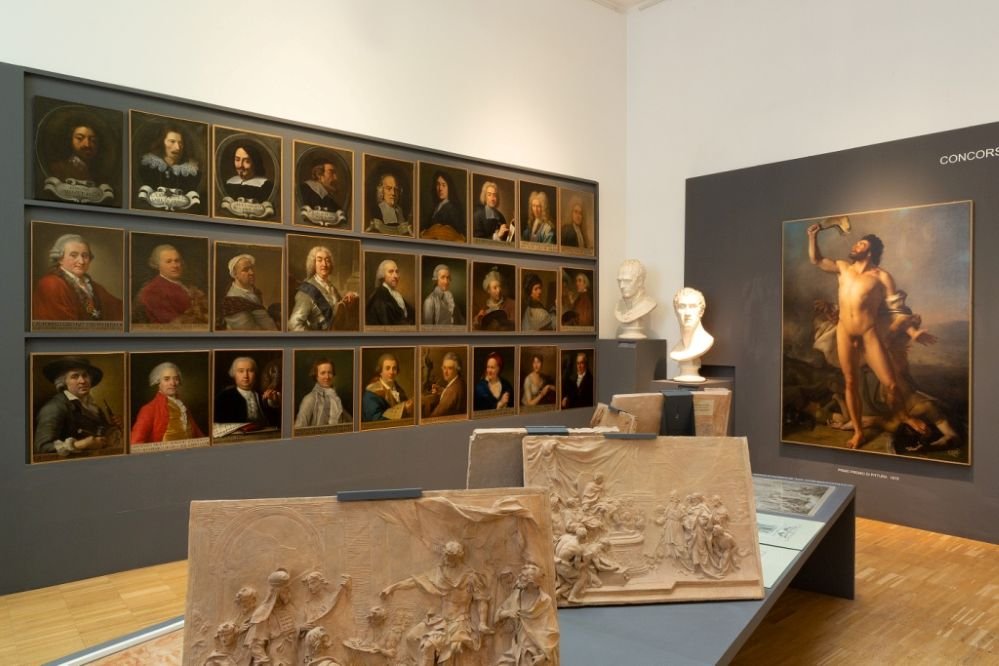
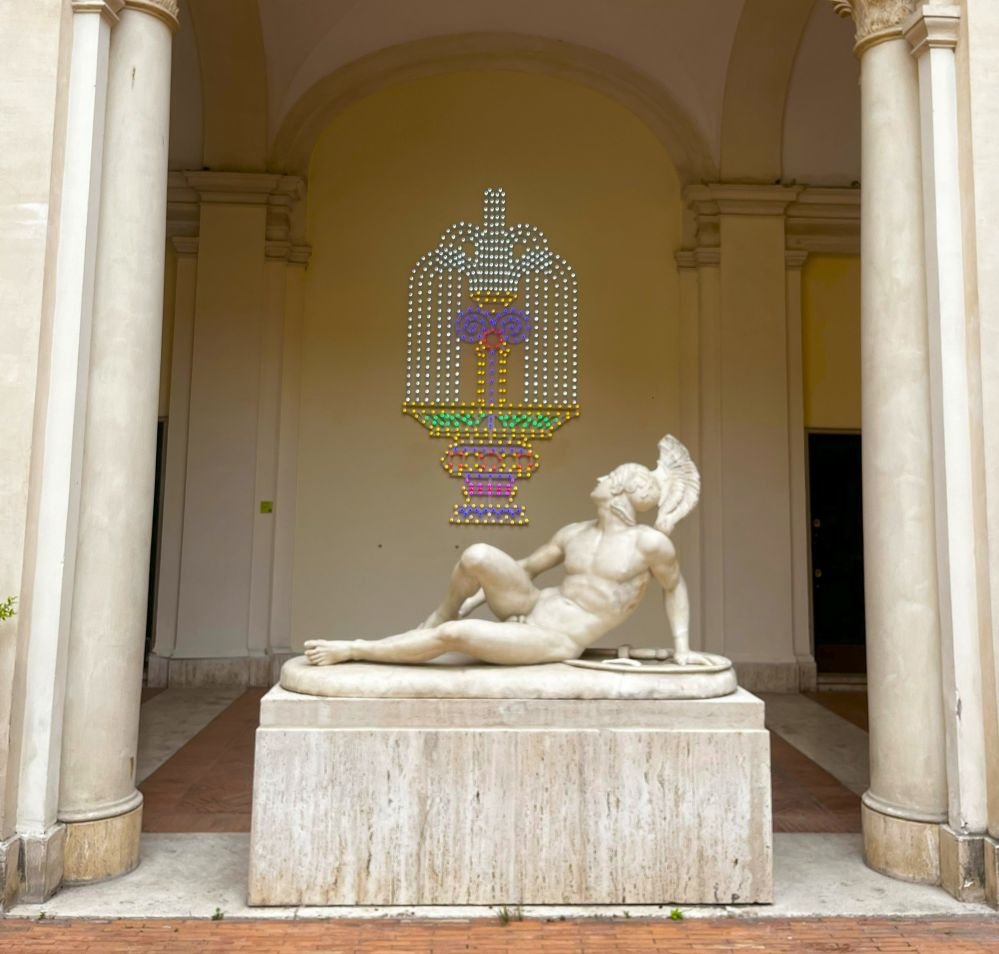
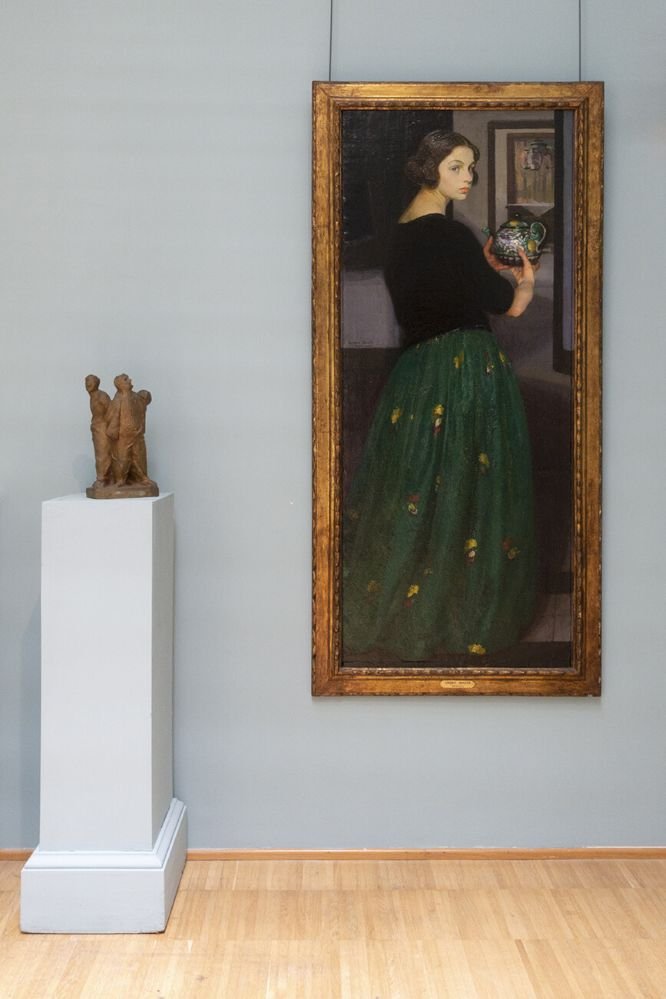
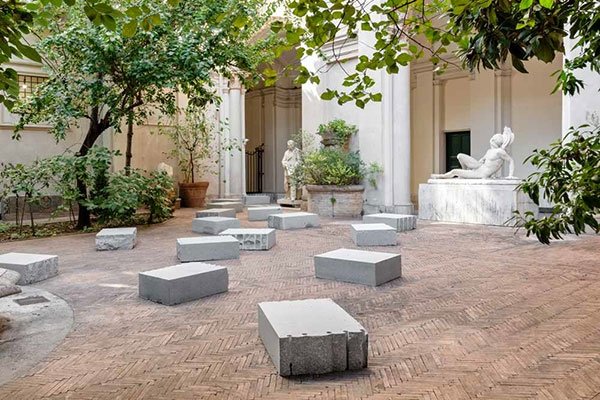
This year, the Academy reopens to the public with a new exhibition layout, designed to renew the dialogue between historical collections and contemporary art, enhancing its identity as a living, constantly evolving place.
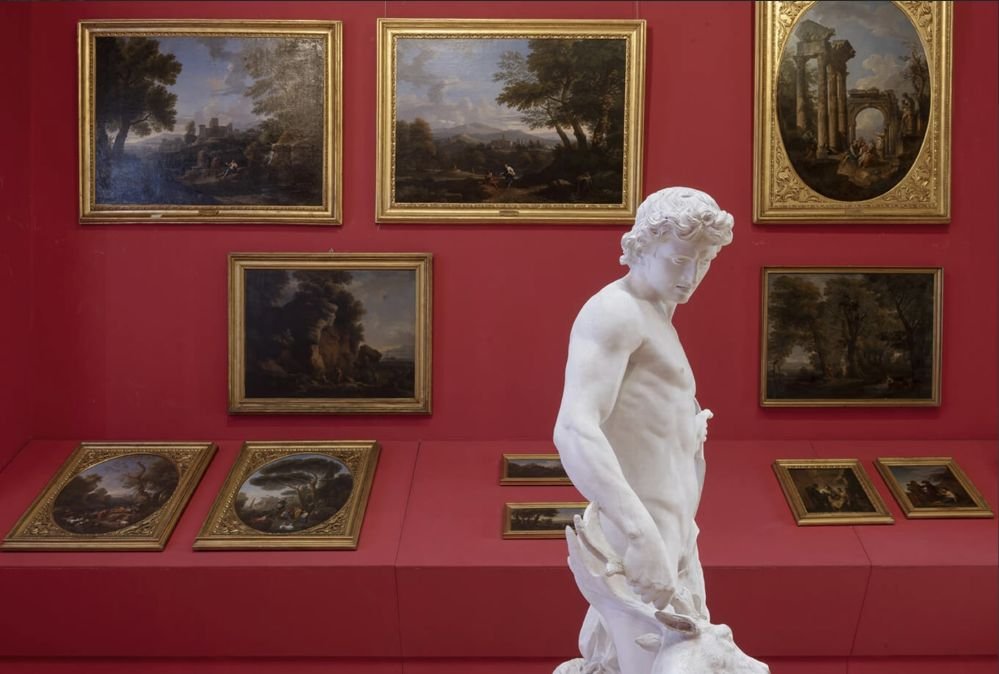
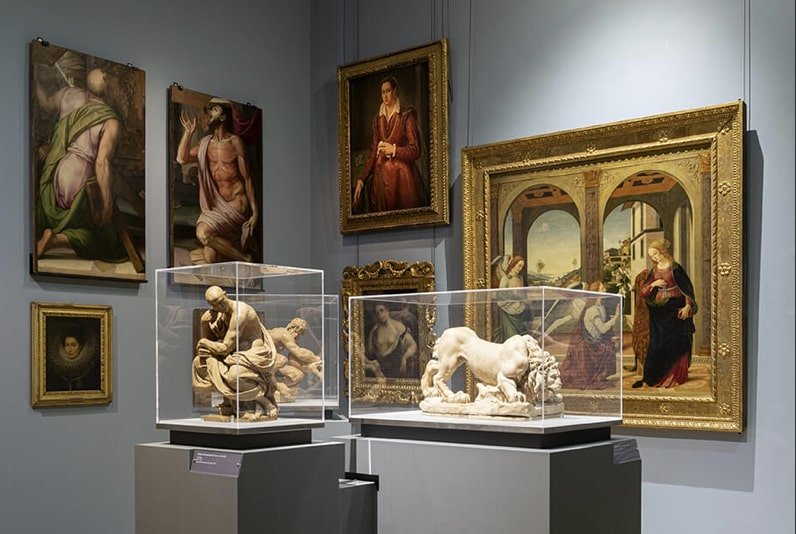
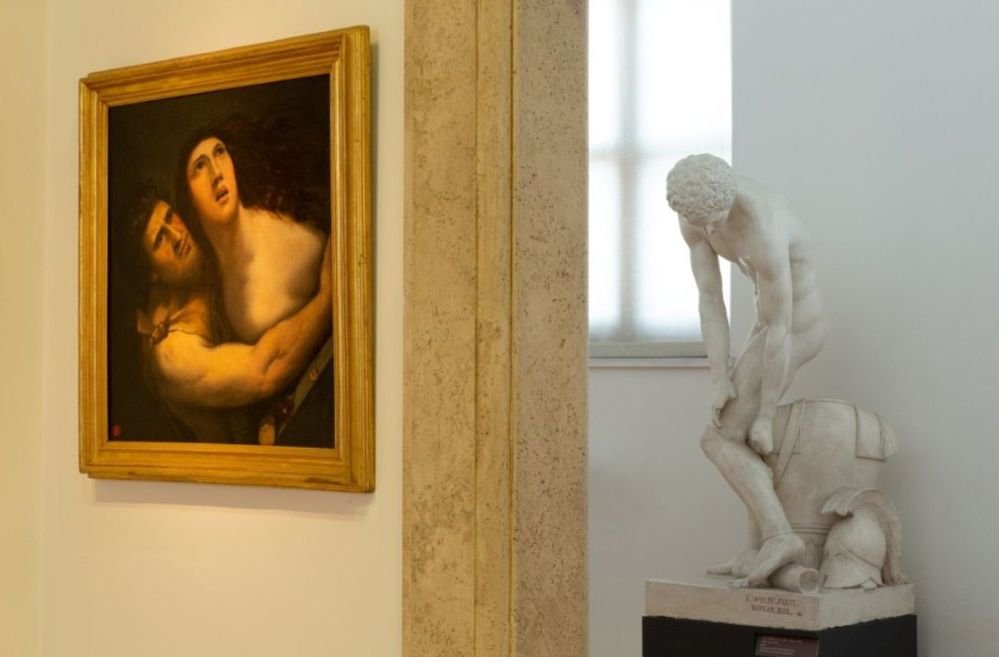
This special tour winds its way through paintings, sculptures, drawings, prints and documents, recounting the evolution of the very concept of the “Accademia” and offering a fascinating journey through the history of art from the 16th century to the present day.
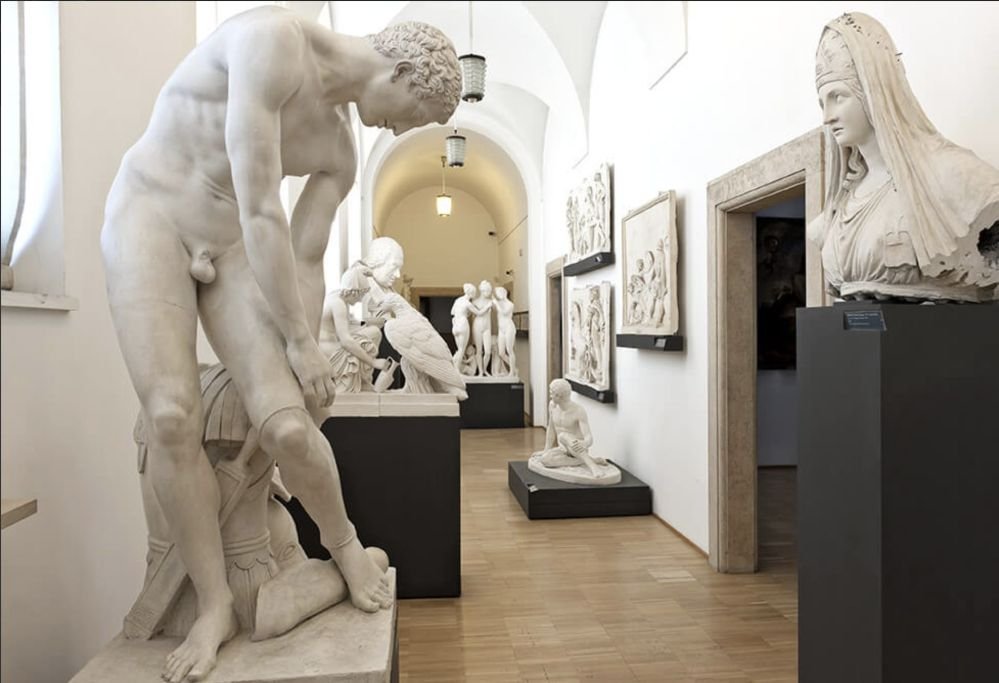
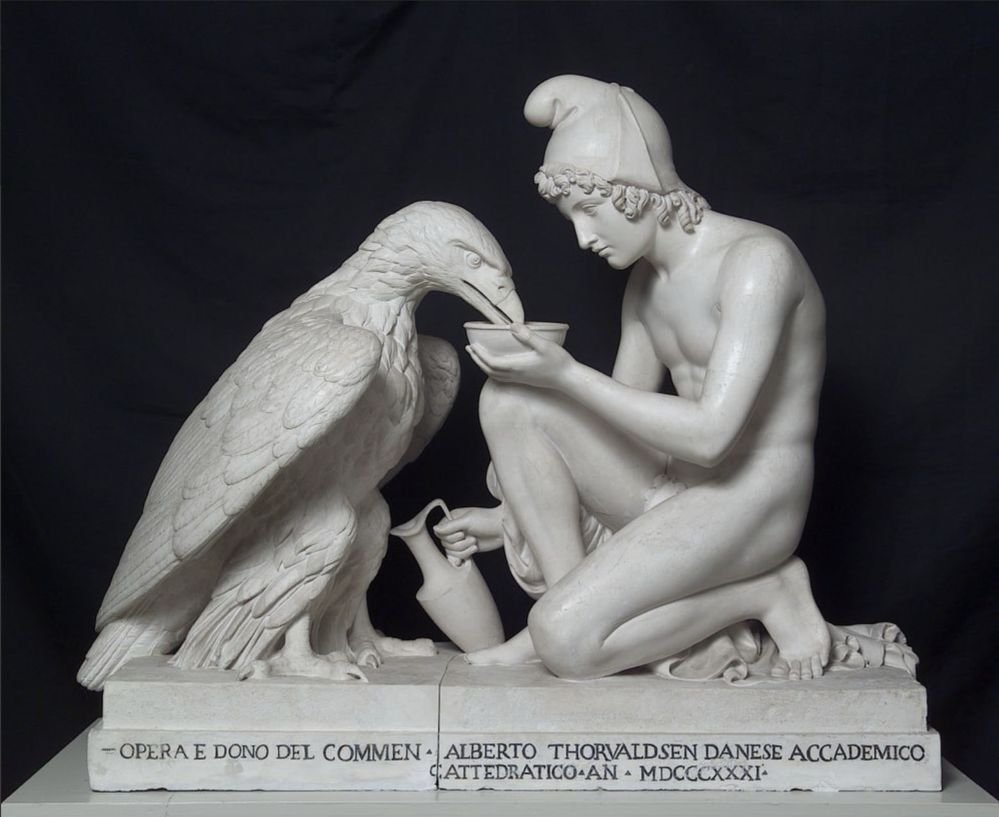
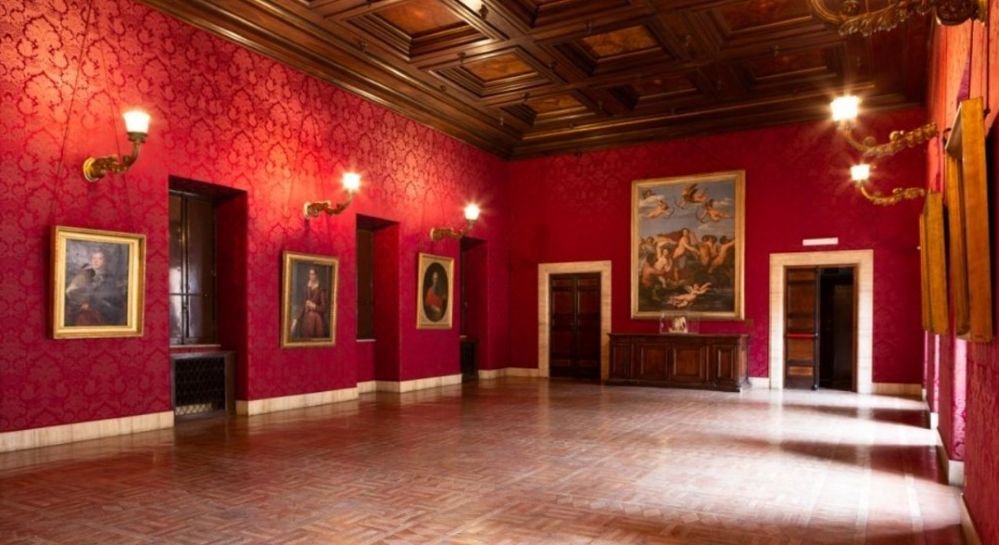
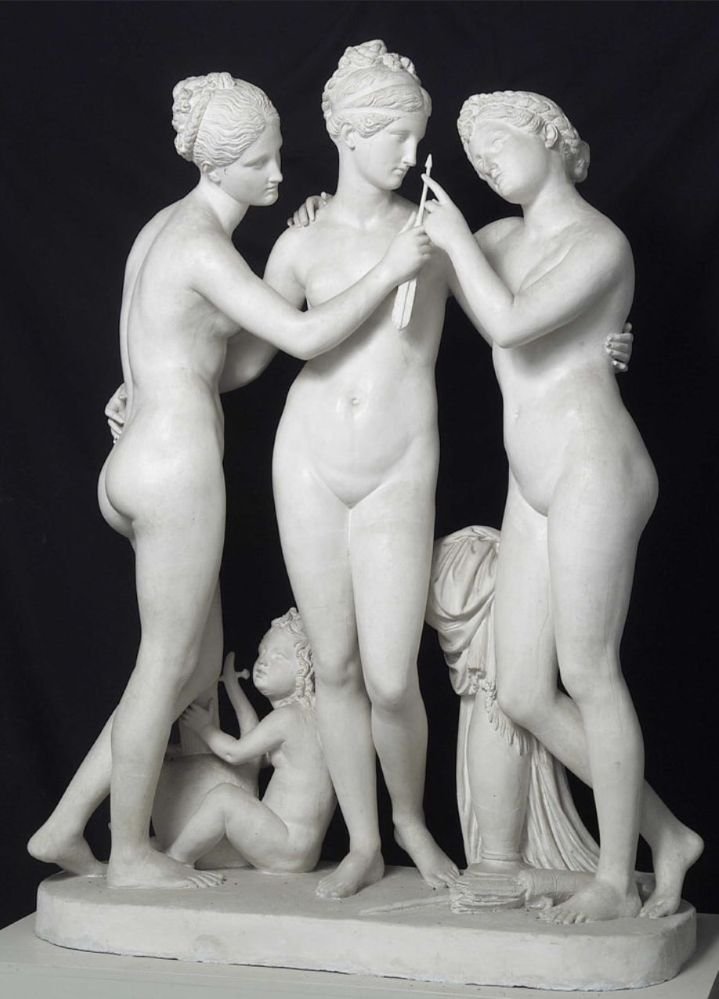
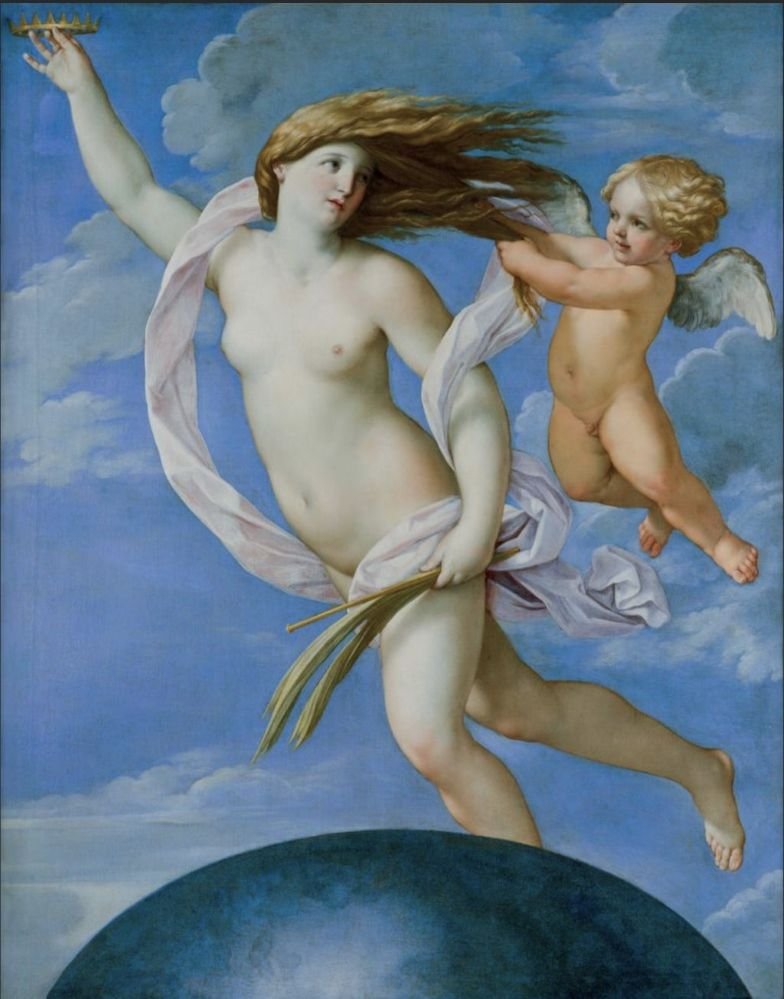
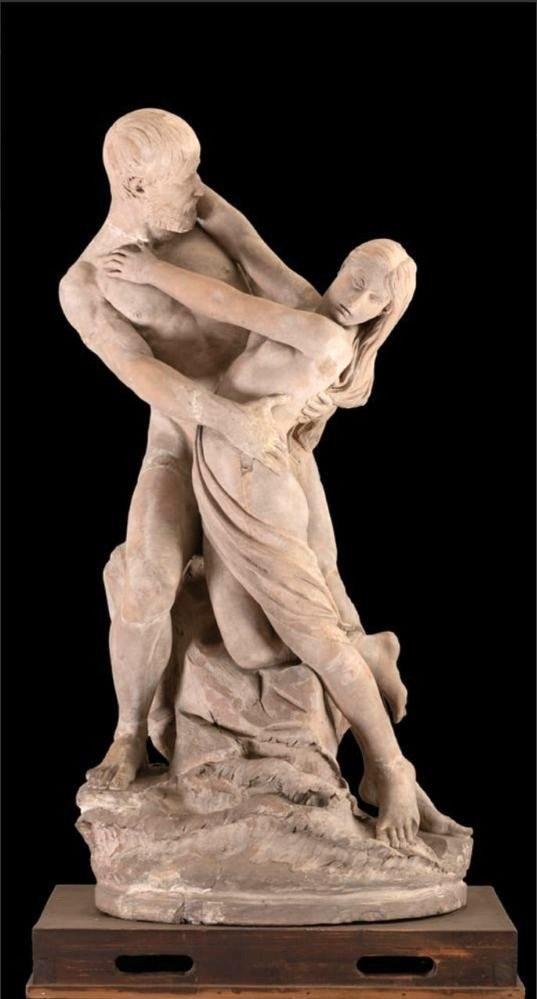
Among the masterpieces on display are the famous copy of Raphael’s Galatea, created by Pietro da Cortona, and the splendid Fortuna painted by Guido Reni, a refined and symbolic work that reflects the aesthetics of 17th-century Bologna. Also not to be missed is a visit to the Accademia’s plaster cast gallery, one of the institution’s most evocative treasures, where plaster casts of works by Antonio Canova, such as the portrait of Napoleon as First Consul and La Religione Cattolica, and Bertel Thorvaldsen, including the famous Tre Grazie and Ganimede e l’Aquila, and many others, are kept.
This special tour is a rare opportunity to visit a symbol of Italian culture and to rediscover, through its works, the central role that Rome has played and continues to play in the European art scene.