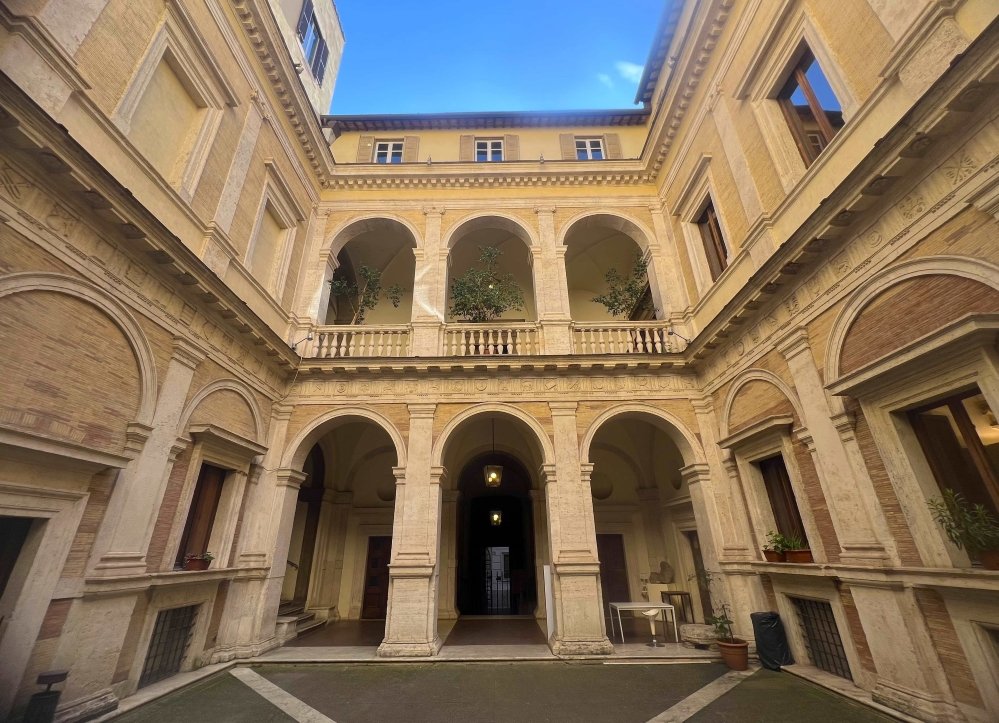
Palazzo Baldassini is considered one of the best examples of Roman palaces from the early 16th century. It was built between 1515 and 1518 at the behest of the consistory jurist Melchiorre Baldassini, a man of culture and power, who entrusted its design to Antonio da San Gallo the Younger, an architect who inherited the legacy of Bramante with strong ties to the Farnese family, while for the pictorial decorations he turned to the School of Raphael, made up of his pupils Perin del Vaga, Giovanni da Udine, Polidoro da Caravaggio and Maturino.
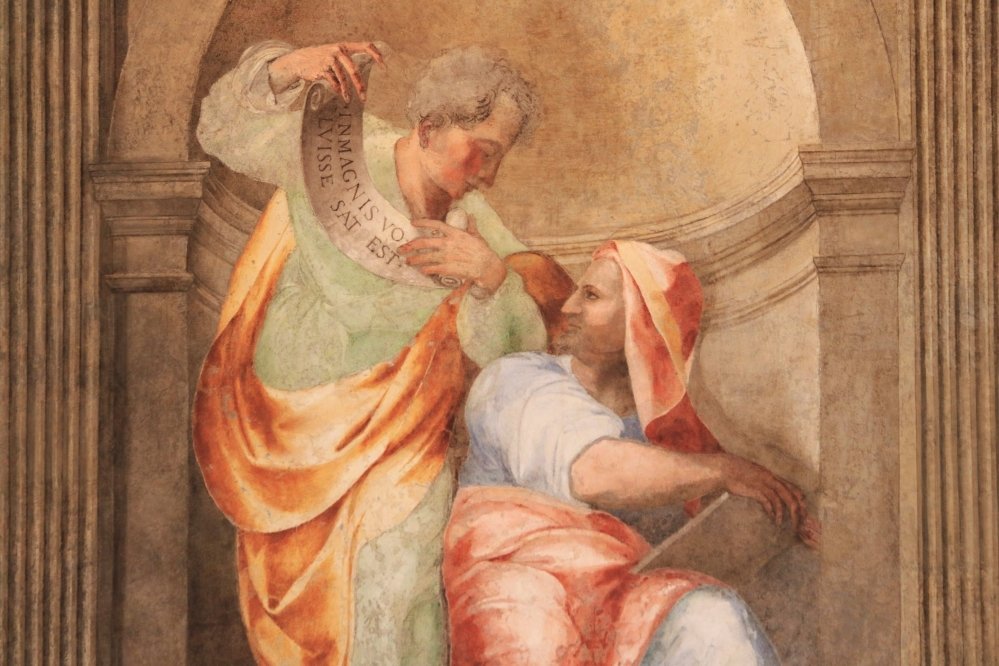
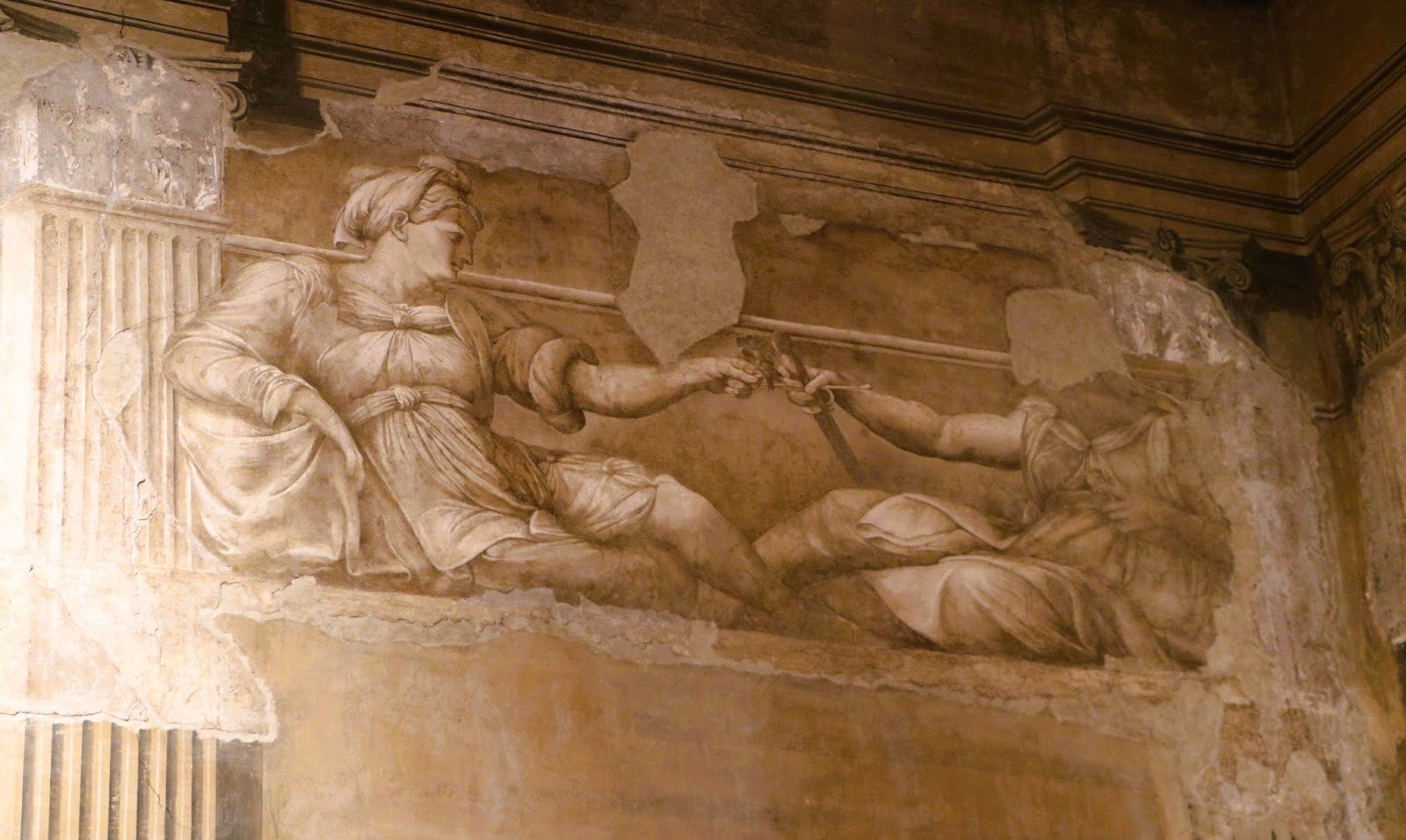
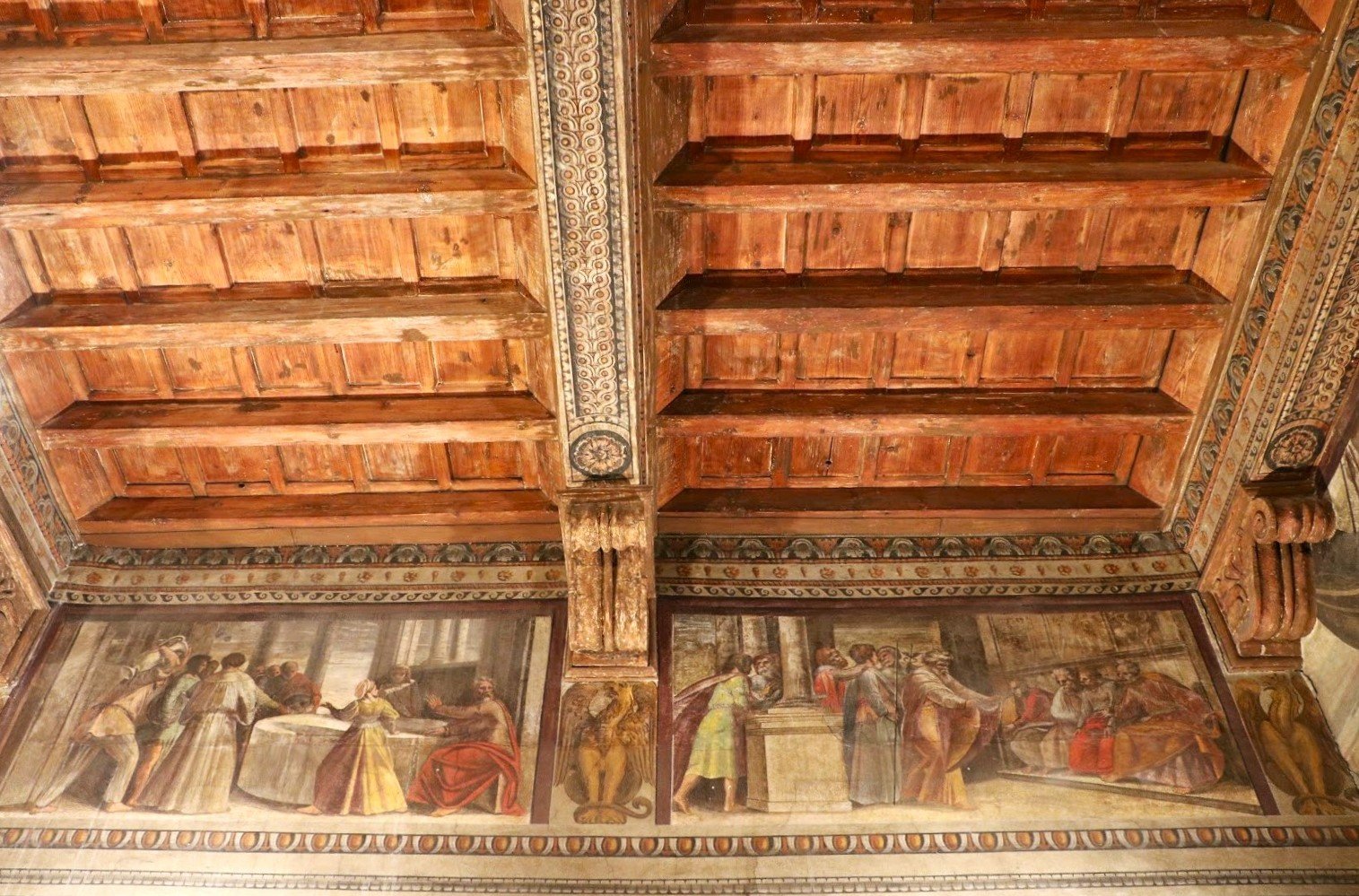
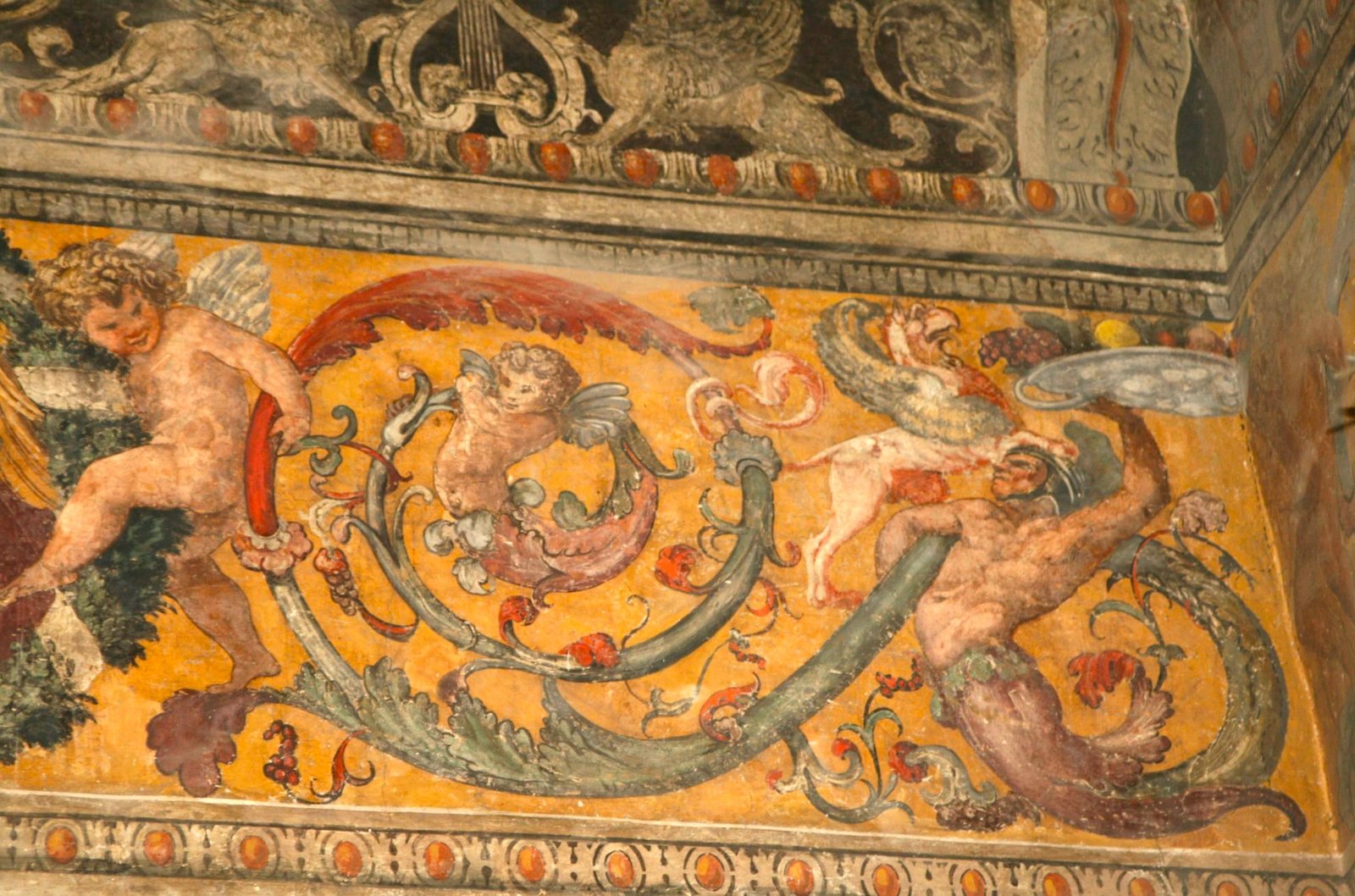
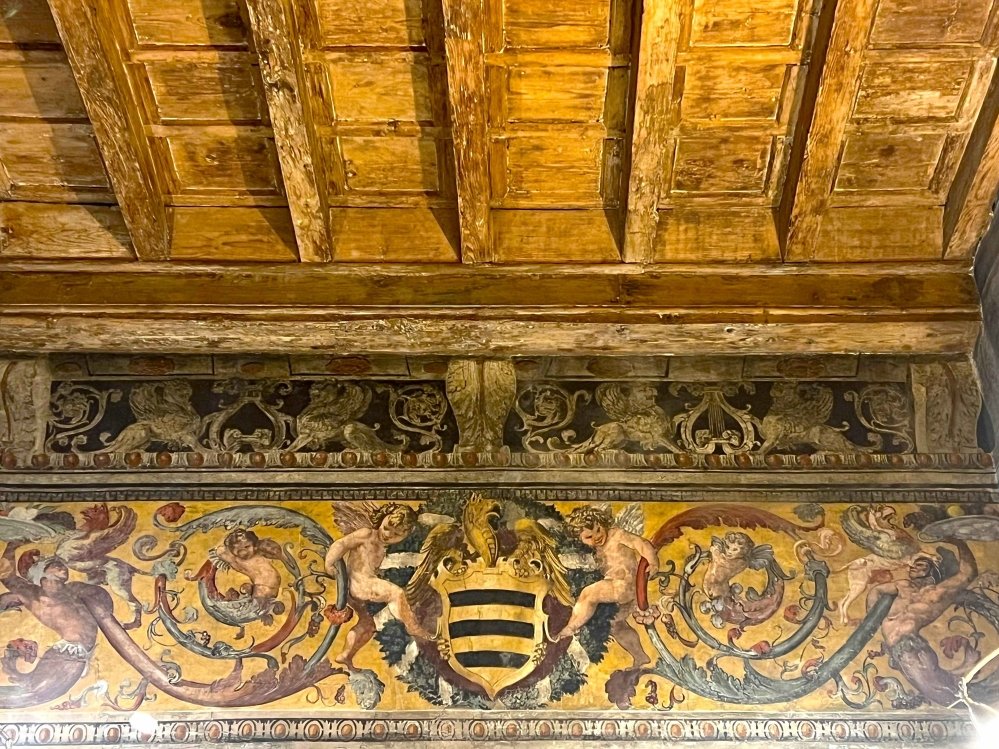
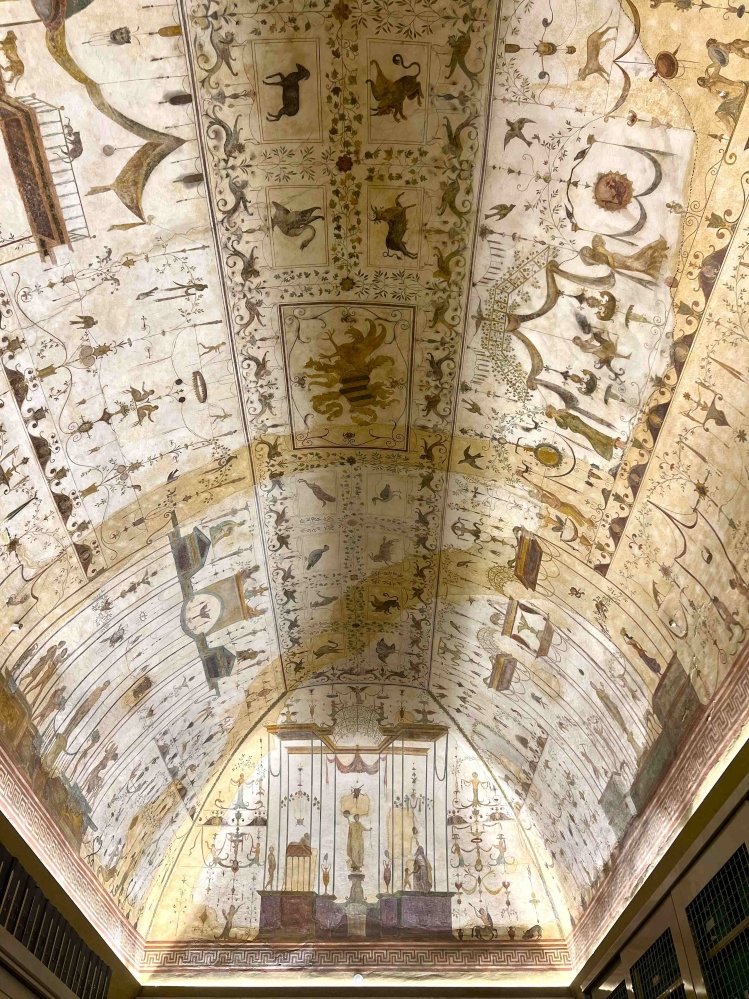
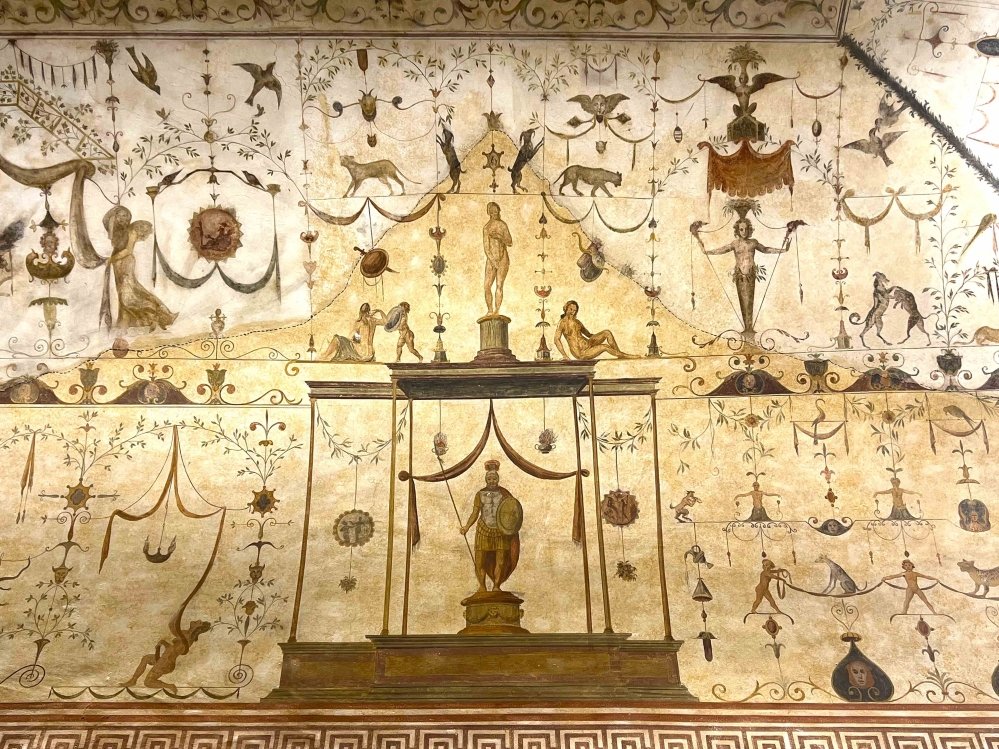
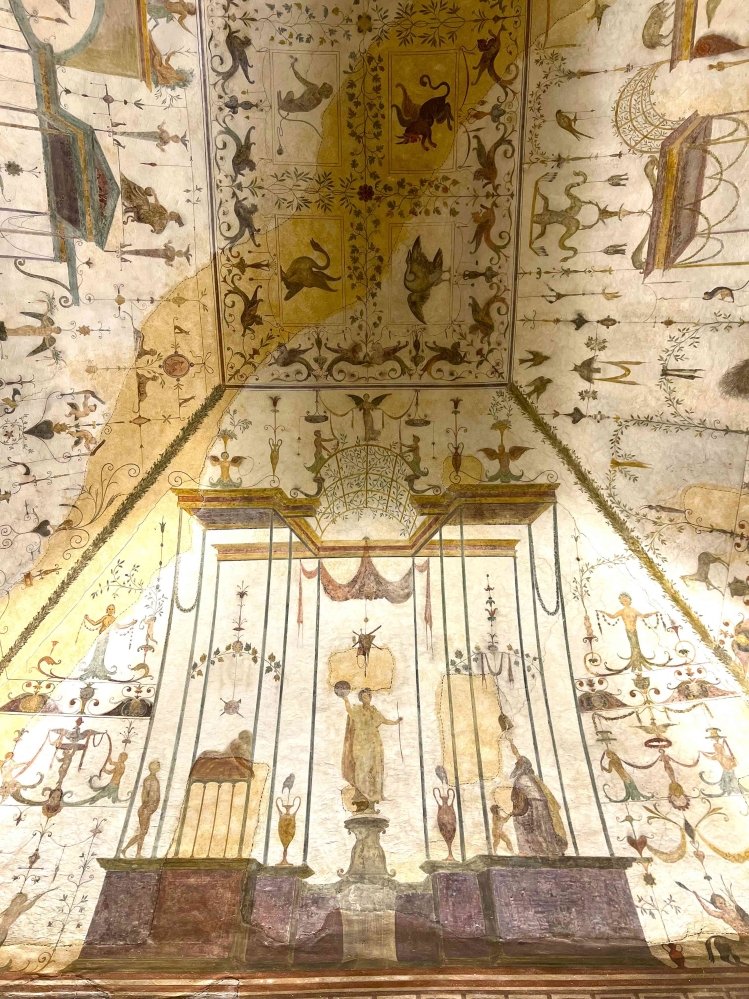
This tour takes place exceptionally ‘behind closed doors’ and allows visitors to admire the elegant courtyard, with a two-storey loggia with travertine arches, and the most important rooms of the palace: the room frescoed by Perin del Vaga, with solemn figures of philosophers and episodes from Roman history; the Council Chamber, decorated with a pictorial frieze by Polidoro da Caravaggio, with griffins and pairs of cherubs on either side of the Baldassini’s heraldic emblem; the Baldassini’s bedroom, with frescoes attributed to Giovanni da Udine or Perin del Vaga; the ‘stufetta’ – a heated room for taking warm baths, one of the first to be built in Rome, decorated with mythological scenes and aquatic subjects; and the incredible barrel-vaulted hall frescoed by Giovanni da Udine, one of the first rooms in the palace to be painted, between 1517 and 1519, while the palace was still under construction.
Giovanni da Udine came from the important workshop of Raphael and was known to be a specialist in ‘grotesque’ decorations, a term created to indicate a painting technique inspired by the paintings that artists went to view in Rome, towards the end of the 15th century, in the so-called ‘grottoes’, i.e. the rooms of Nero’s Domus Aurea, accessible through tunnels. Sphinxes, harpies, masks, architectural perspectives, landscapes: the impact of the discovery of ancient Roman painting was overwhelming and attracted visits from various artists, such as Pinturicchio, Perugino, Filippino Lippi, Luca Signorelli and Raphael. One of the many painters fascinated by the technique was Giovanni da Udine himself, who decorated the entire room of Palazzo Baldassini with grotesques, including a veritable bestiary, made up of exotic and fantasy animals including an elephant, a rhinoceros, a bull, a monkey, a parrot, a chimera, and a celebration of the ancient gods placed inside temples in perspective and accompanied by their processions; one recognises Ceres, Mars, Neptune, Jupiter, Minerva, Hercules, Venus and Bacchus.
The palace currently houses the Luigi Sturzo Institute.