An authentic Art Nouveau jewel, Villino Ximenes was the home-studio of the Palermo sculptor Ettore Ximenes, author in the second half of the 19th century of famous works such as the allegorical marble group depicting the Law at the Vittoriano, the bronze Quadriga for the Palazzo di Giustizia, the Rebirth exhibited at the National Gallery of Modern Art and many others in the rest of Italy, including the monument to Giuseppe Verdi in Parma.
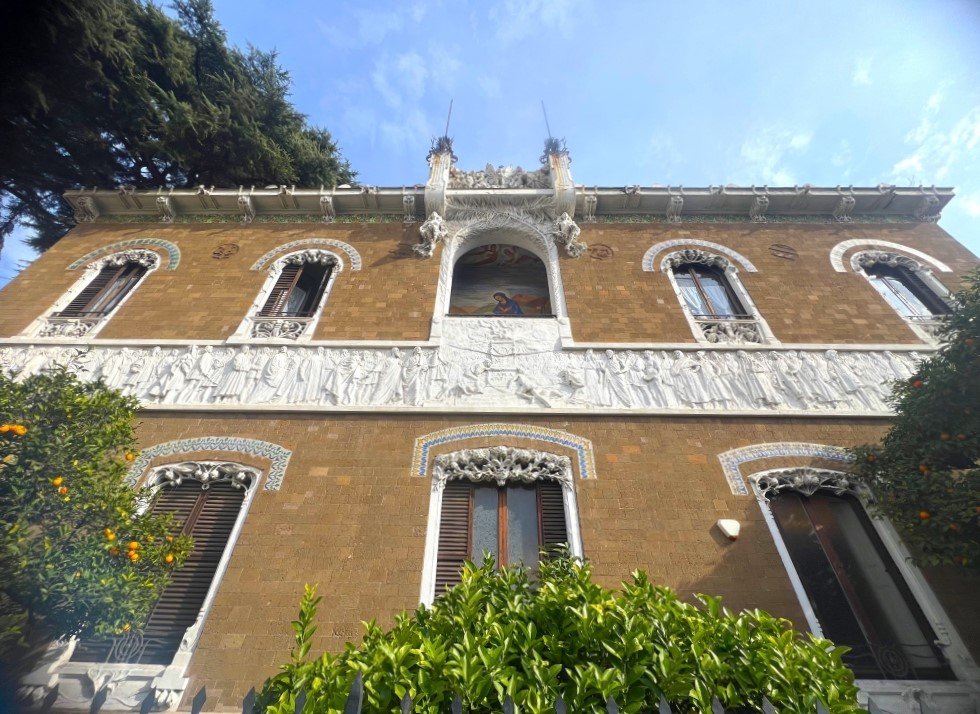
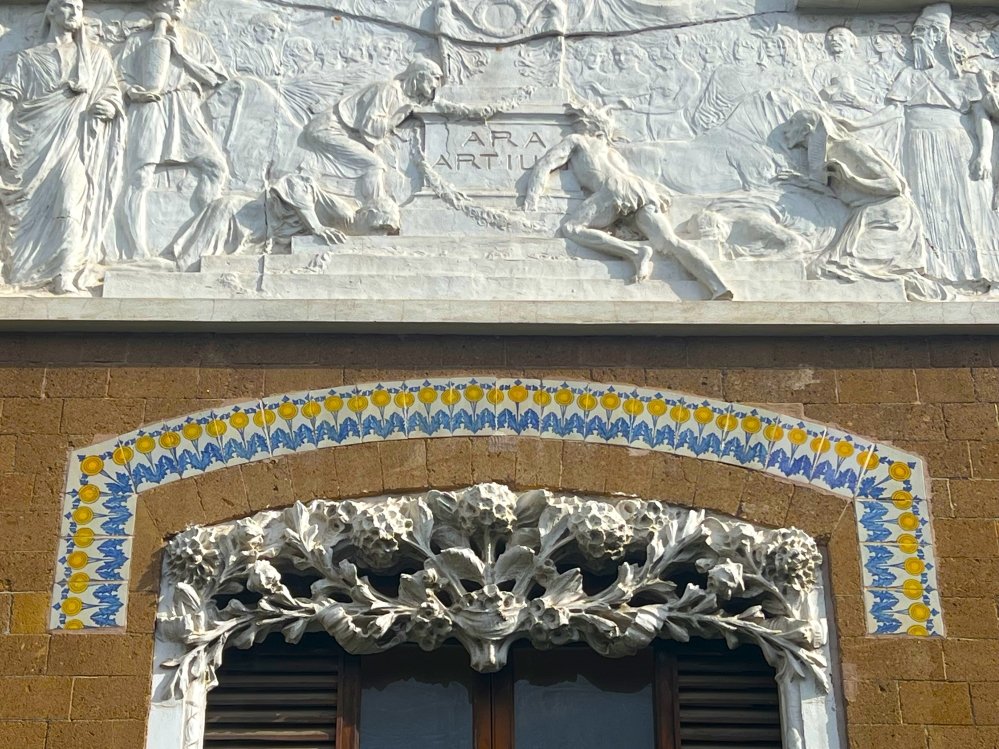
For his Roman residence, in 1891 Ettore Ximenes purchased a 700 square metre plot of land just a stone’s throw from Villa Torlonia and entrusted the architect Leonardo Paterna Baldizzi with the construction of the small villa, which he completed in 1902 and of which he personally oversaw the complex and highly refined decorative apparatus. Inspired by Palermo’s Norman architecture, as evidenced by the choice of earth-coloured Sicilian tuff for the exteriors, the building also has references to the Viennese Secession, evident in the marble decorations and the use of yellow and blue majolica tiles framing the windows. An exceptional frieze runs along the entire façade and depicts numerous artists from all historical periods who, like Ximenes, worked in Rome and who proceed in procession towards an ara artium (altar of the arts).
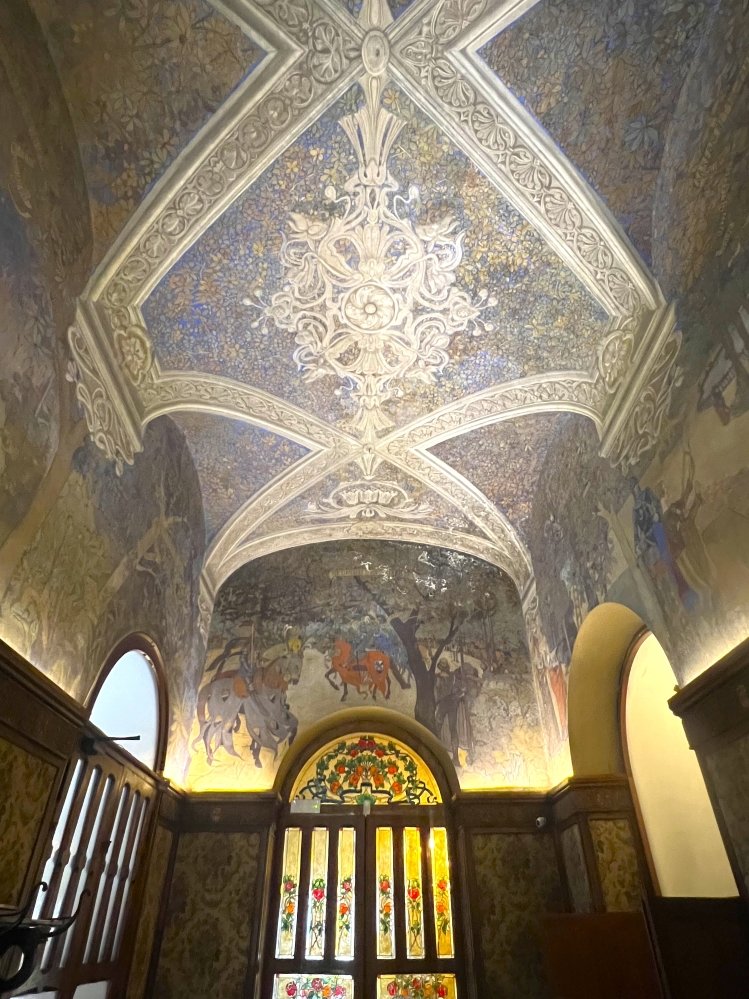
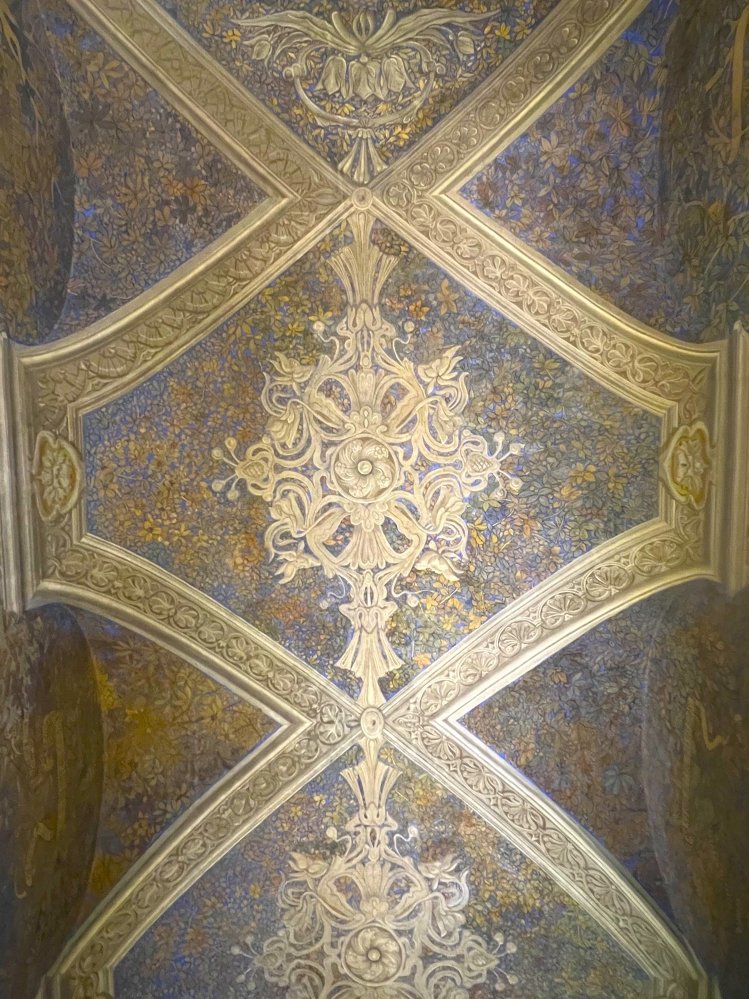
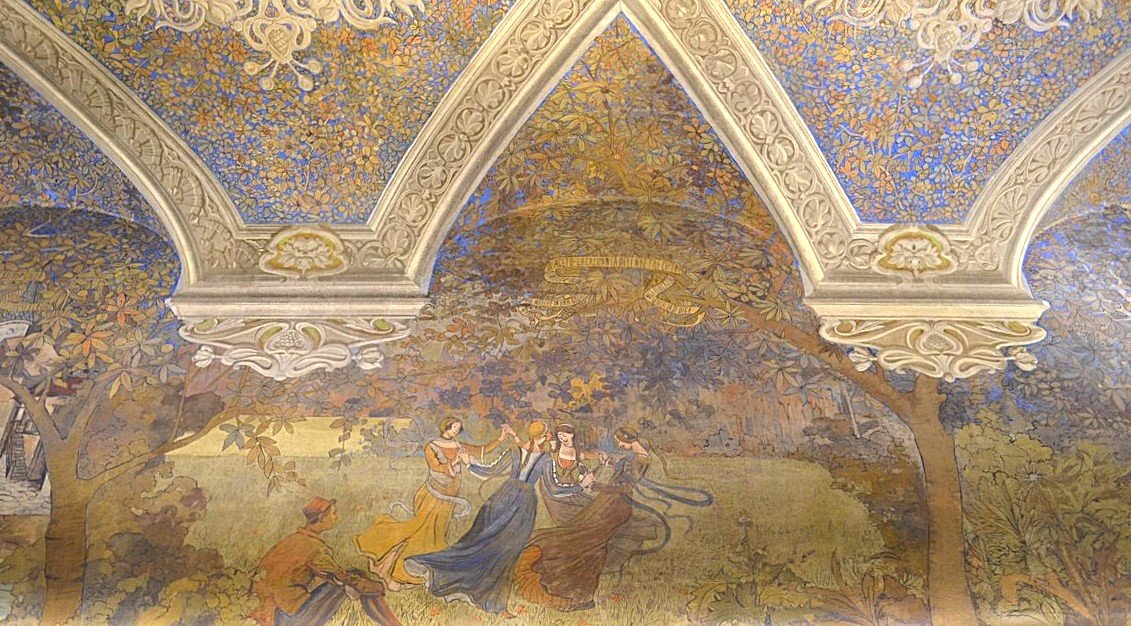
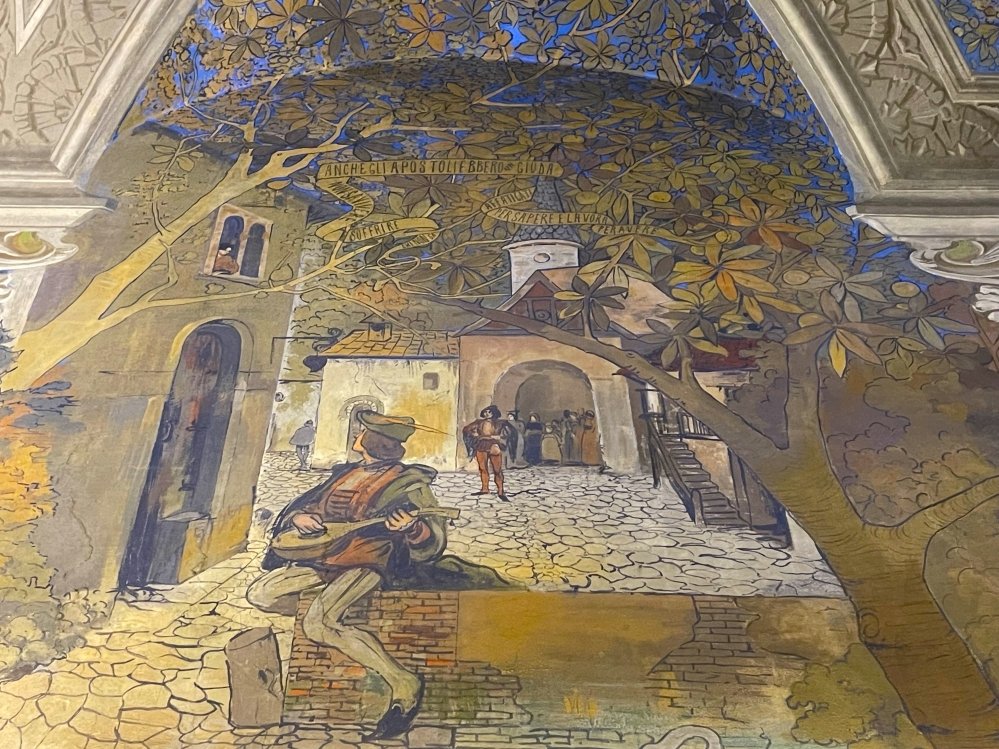
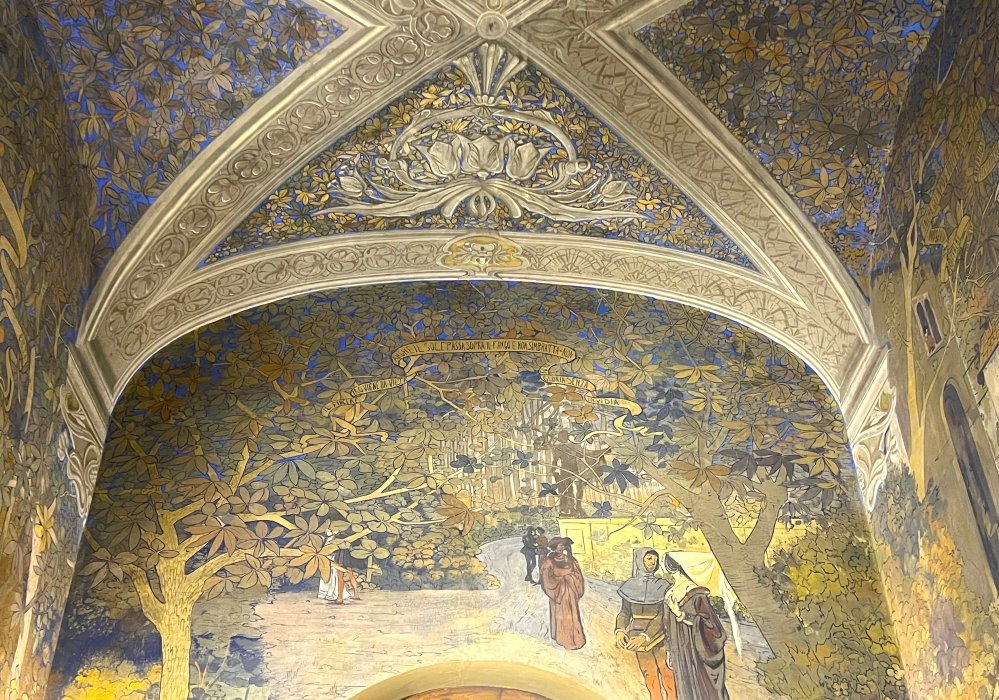
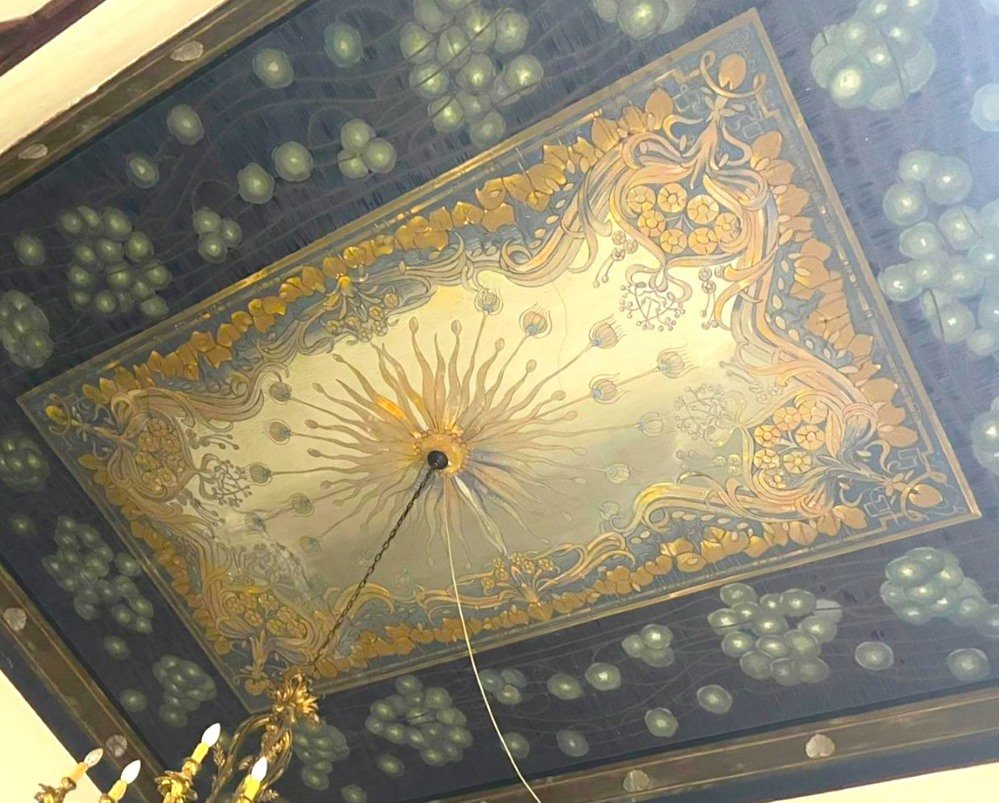
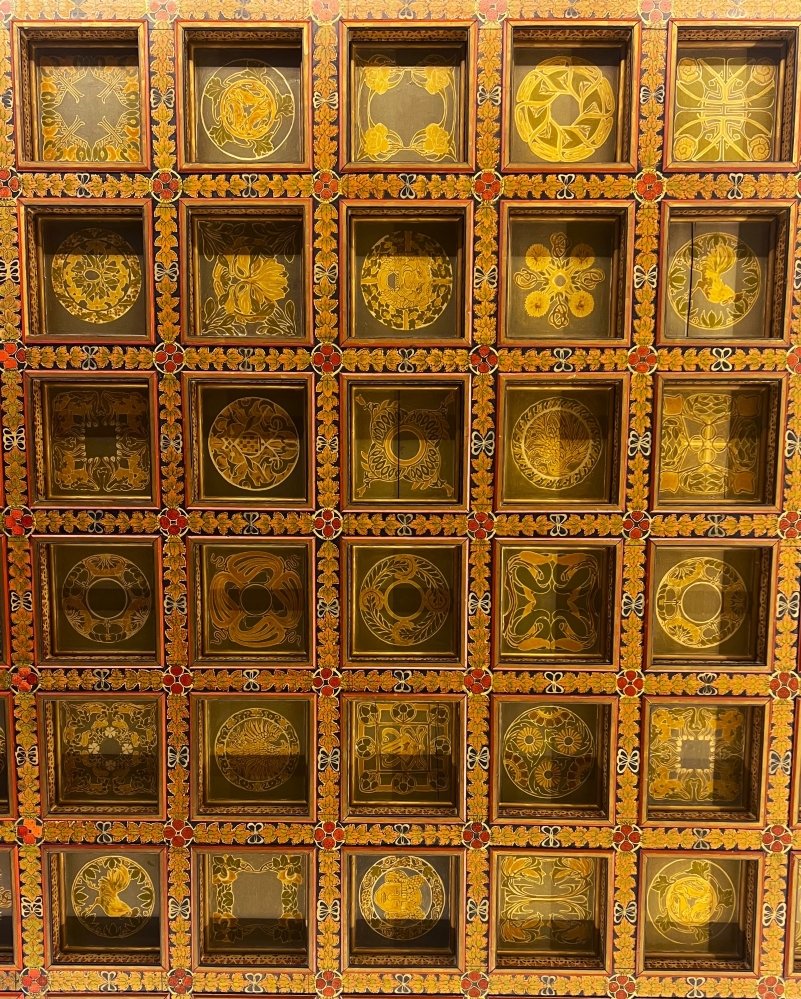
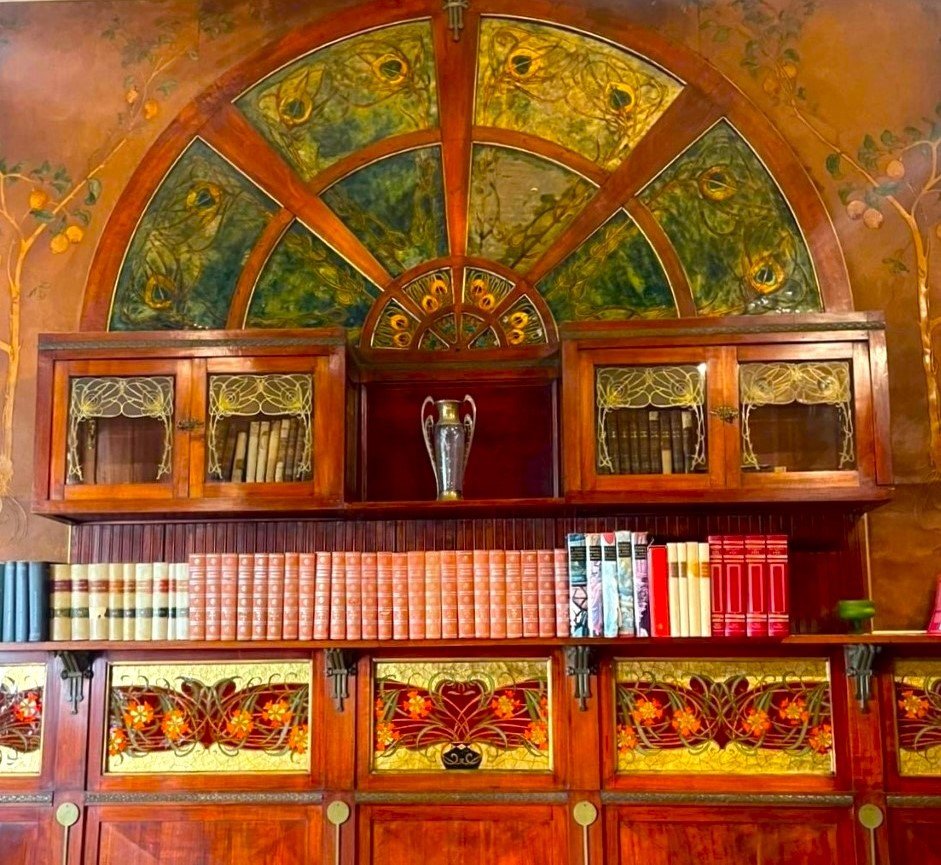
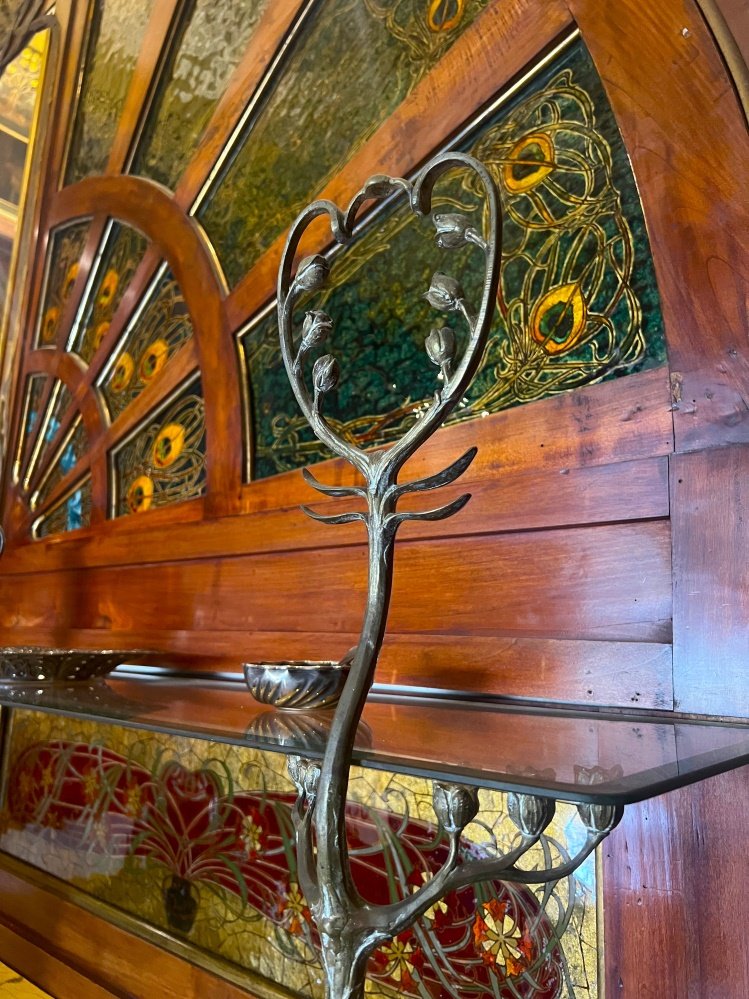
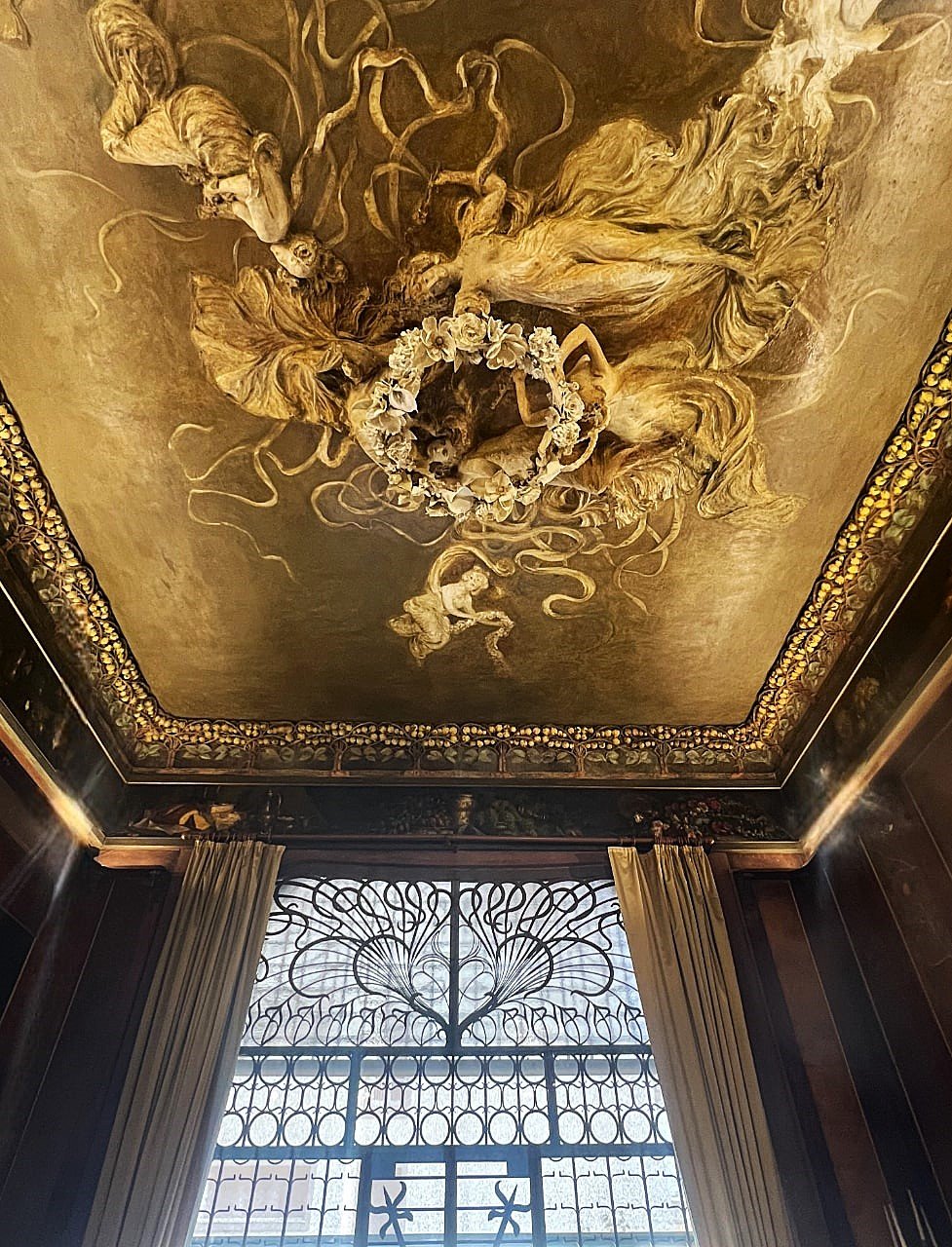
Inside, the incomparable atrium is a riot of medieval and 15th-century elements: as if it were an enchanted forest, it is entirely frescoed with scenes of chivalry taken from traditional Sicilian fairy tales. Art nouveau aesthetics pervade the other rooms of the villa: the ballroom, the drawing room and the dining room. The large ballroom features an impressive coffered wooden ceiling, stucco work imitating tree branches and leaves, and friezes depicting the great masters of Baroque art, such as Gian Lorenzo Bernini and Donatello. The dining room is the apotheosis of art nouveau. This room, in which there is no structural element that is not also a decorative element, contains a peculiarity that makes it unique in the architectural and artistic panorama of Rome: the walls are entirely covered in leather. All around, original furniture and furnishings, engravings and floral decorations, a wooden panelling with the orange tree motif – another reference to Ximenes’ Sicilian origins, peacock-tail ornaments on the stained-glass windows, bronze decorations, a painted frieze running along the walls with paintings depicting food in the four seasons and an impressive high relief on the ceiling in which nymphs float dancing around a crown of flowers at the centre of which the chandelier is fixed.
This exclusive guided tour, granted by special permission of the Teresian Institute, the current owner of the building, allows you to admire this extraordinary example of an artist’s residence-studio where you can still breathe in the atmosphere of the belle époque.