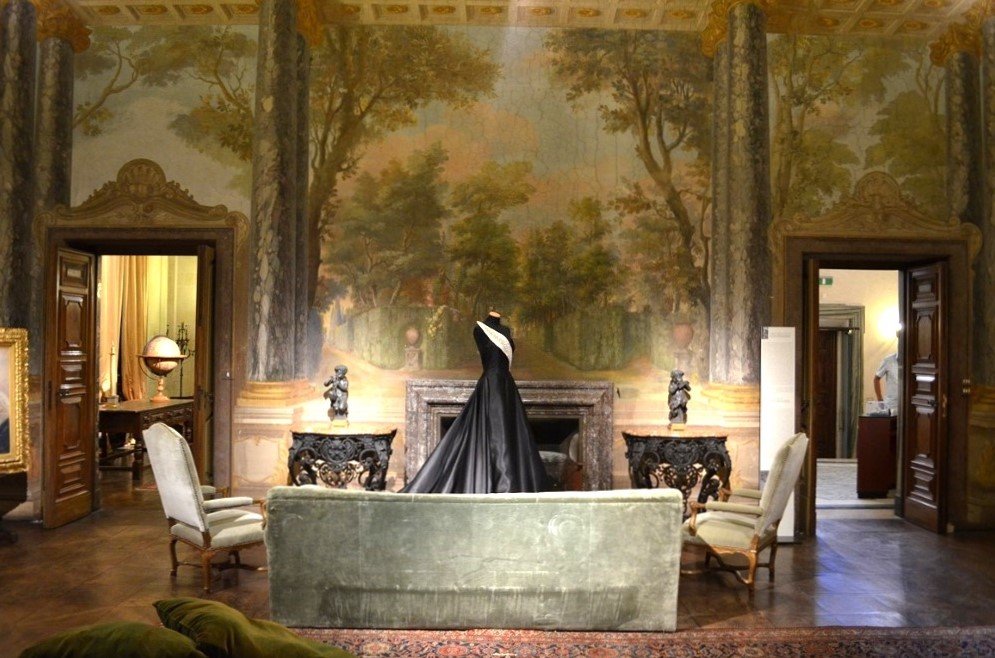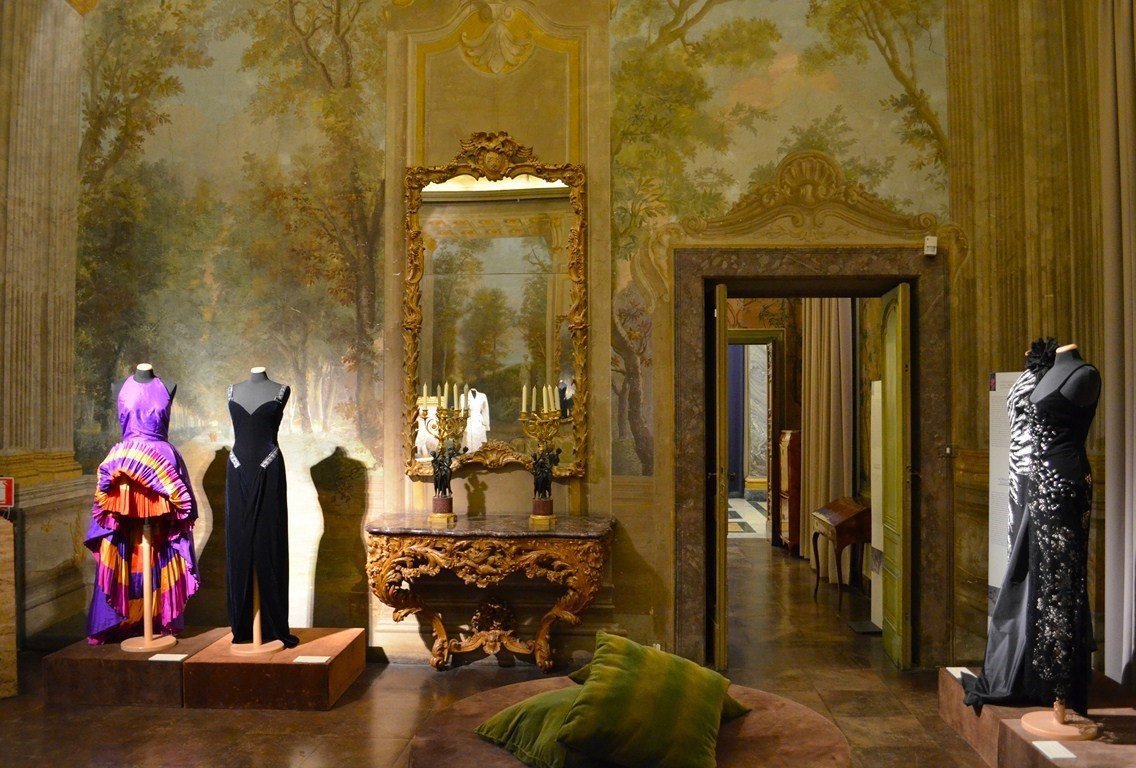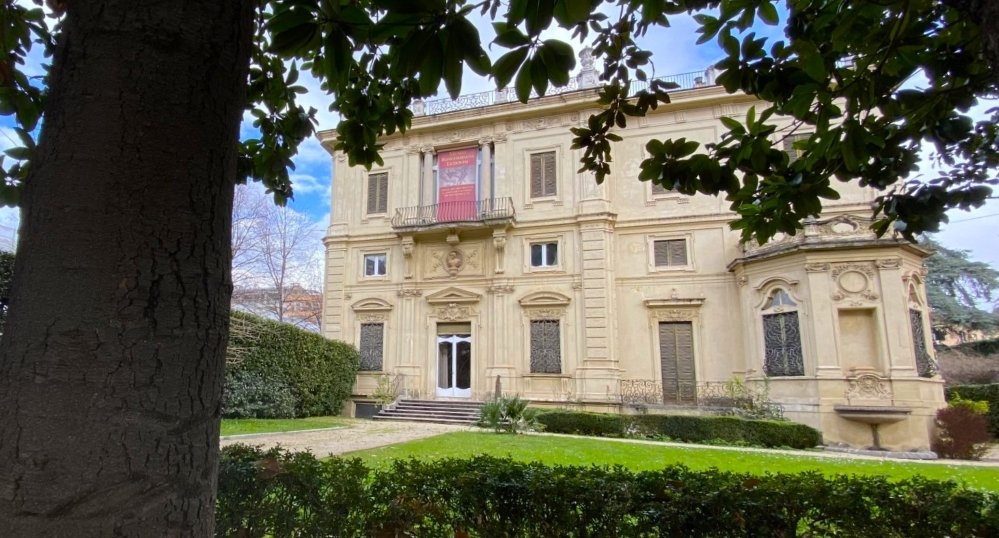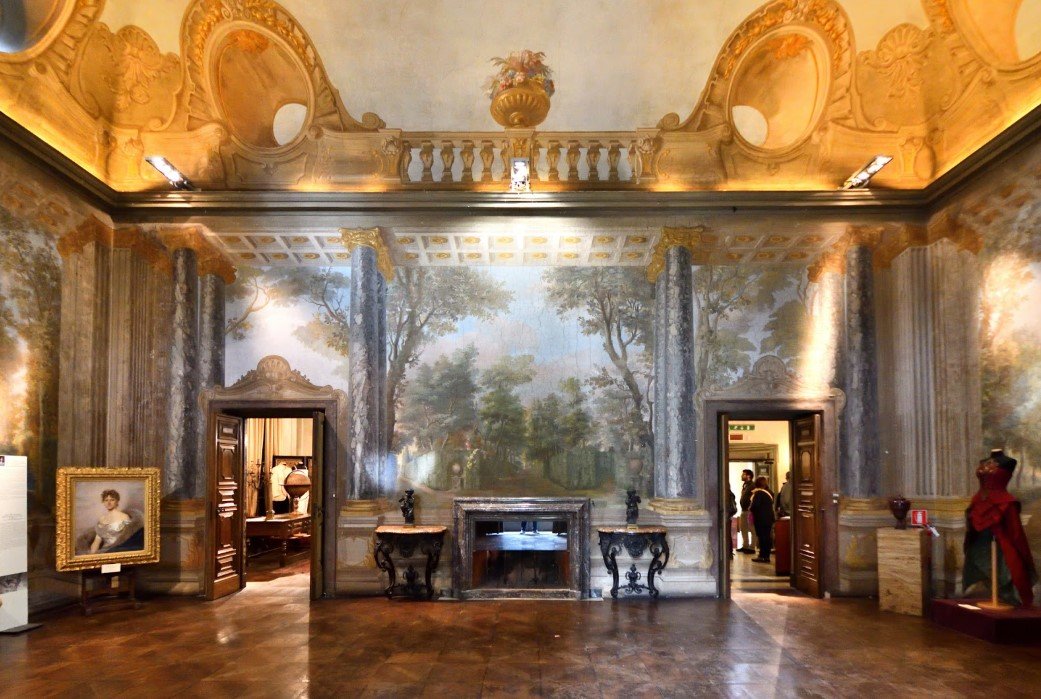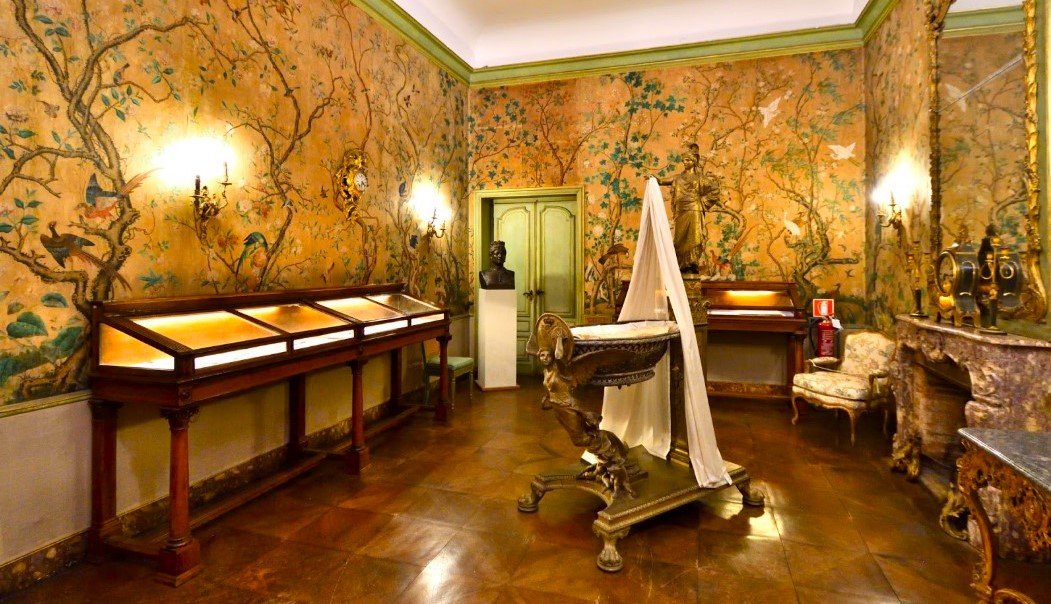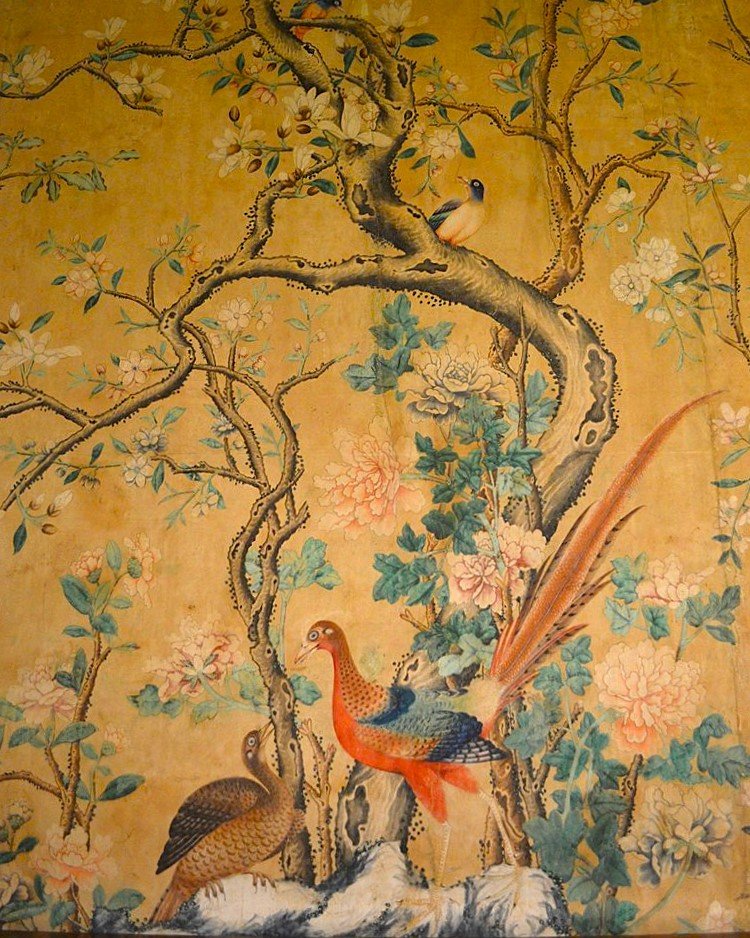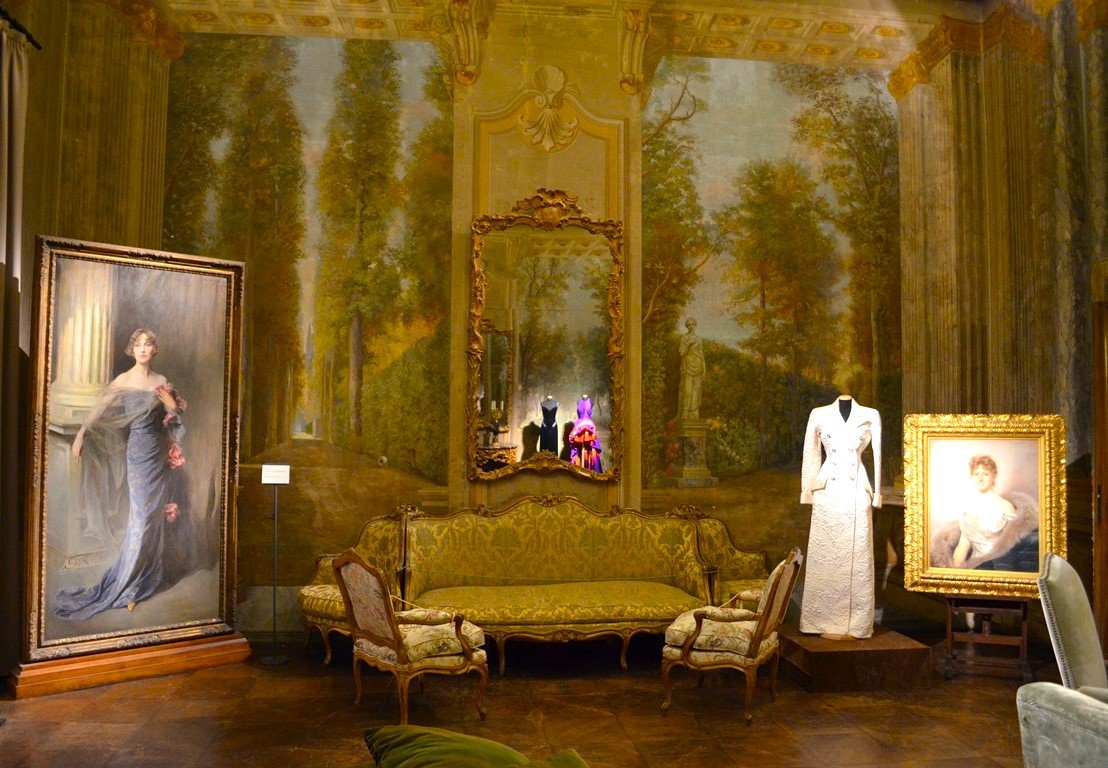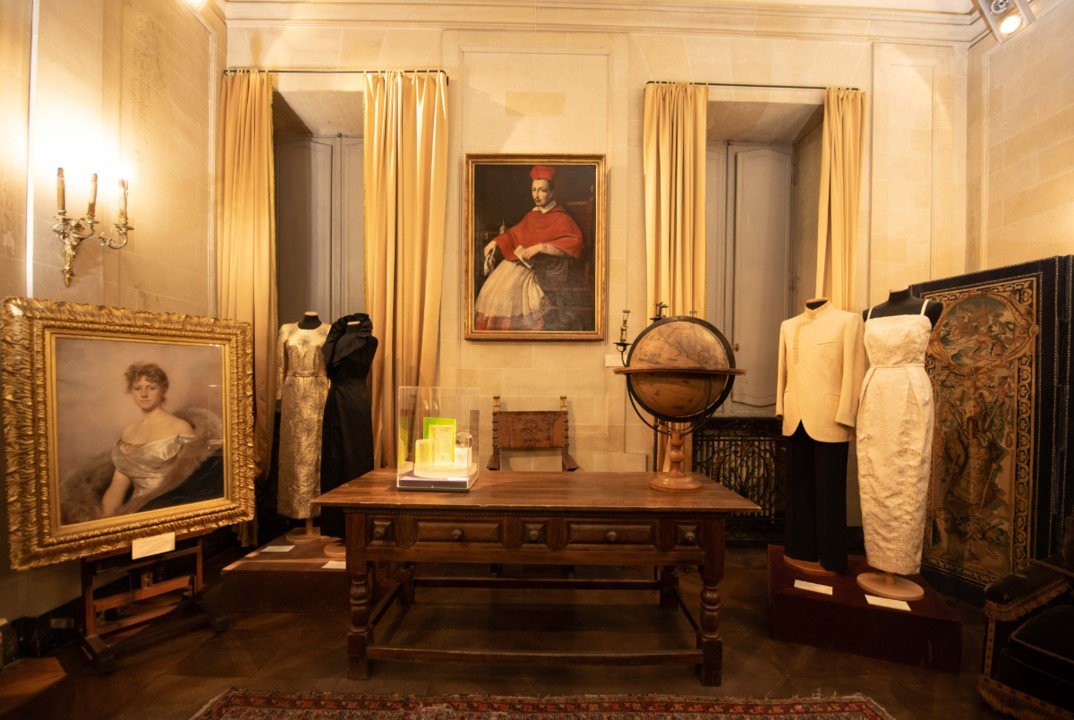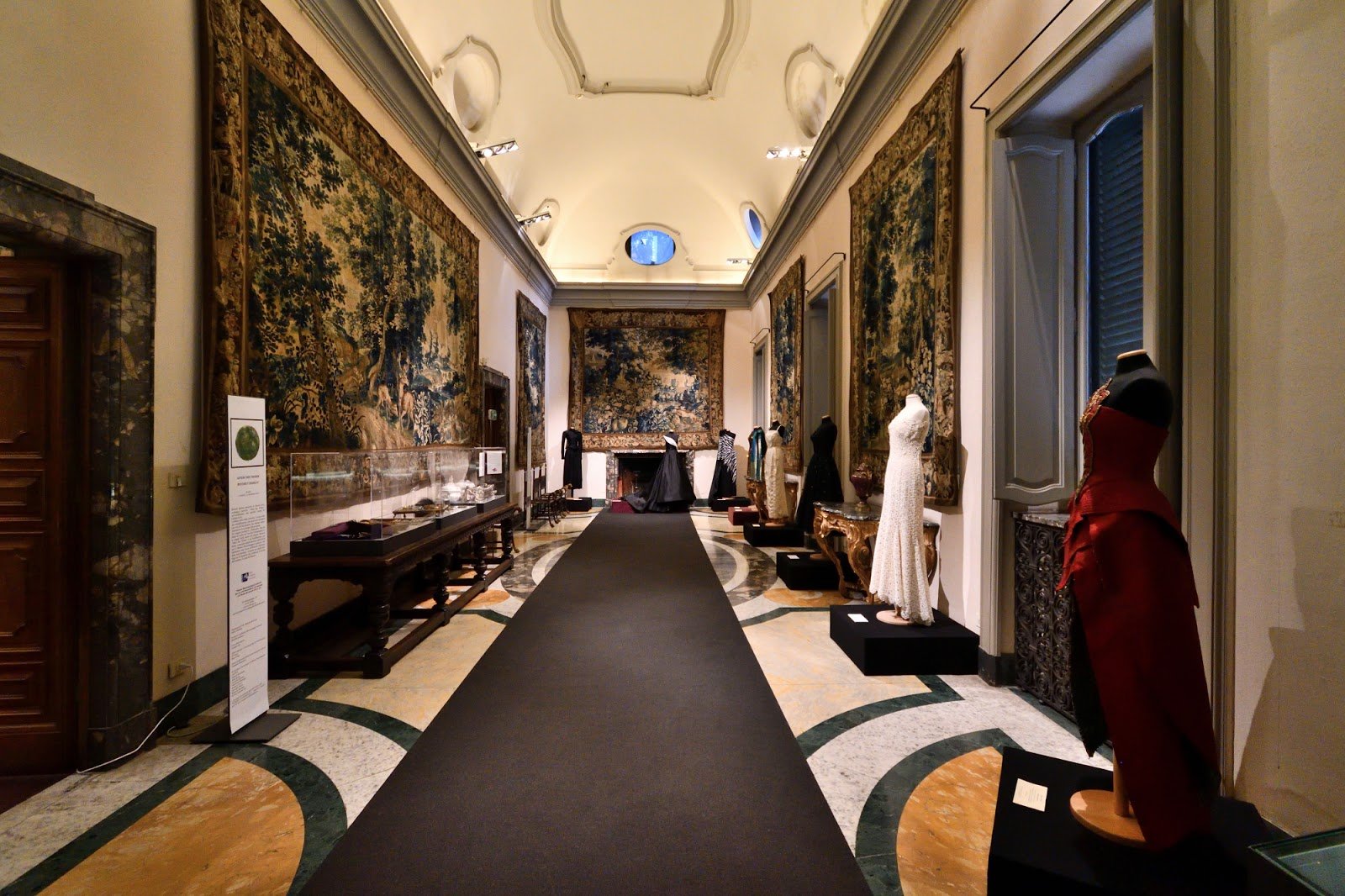
A visit to the Villino Boncompagni Ludovisi is a twofold and sublime experience: on the one hand, the exterior and interior of the building, a small masterpiece of Baroque with Art Nouveau contaminations, built in 1901 by architect Giovanni Battista Giovenale on behalf of Prince Andrea Boncompagni, and on the other hand, the collection, which tells the story of Italian costume and haute couture over a century, from the end of the 19th century to the second half of the 20th century. The Room of the Views is beautifully decorated with trompe-l’œil frescoes evoking the lost Villa Ludovisi, built in the 17th century by Cardinal Ludovico Ludovisi and demolished in the late 19th century to make way for the Ludovisi district. The salon houses an elegant 17th-century writing desk on which is a contemporary world map by the famous Strasbourg engraver Matthäus Greuter. The Tapestry Gallery is adorned with splendid tapestries of Flemish manufacture from the 17th century. The Room of the Cradle of the Princes of Savoy, decorated with oriental-style wallpaper hand-printed in the 18th century with floral and faunal motifs, takes its name from the extraordinary bronze, copper and silver cradle made by the Roman sculptor Giulio Monteverde in 1901 and given to Victor Emmanuel III for the birth of his first-born daughter. Among the other rooms, the Bathroom stands out, which was made of precious yellow and green marble by Prince Boncompagni for his consort, Swedish Blanceflor de Bildt.
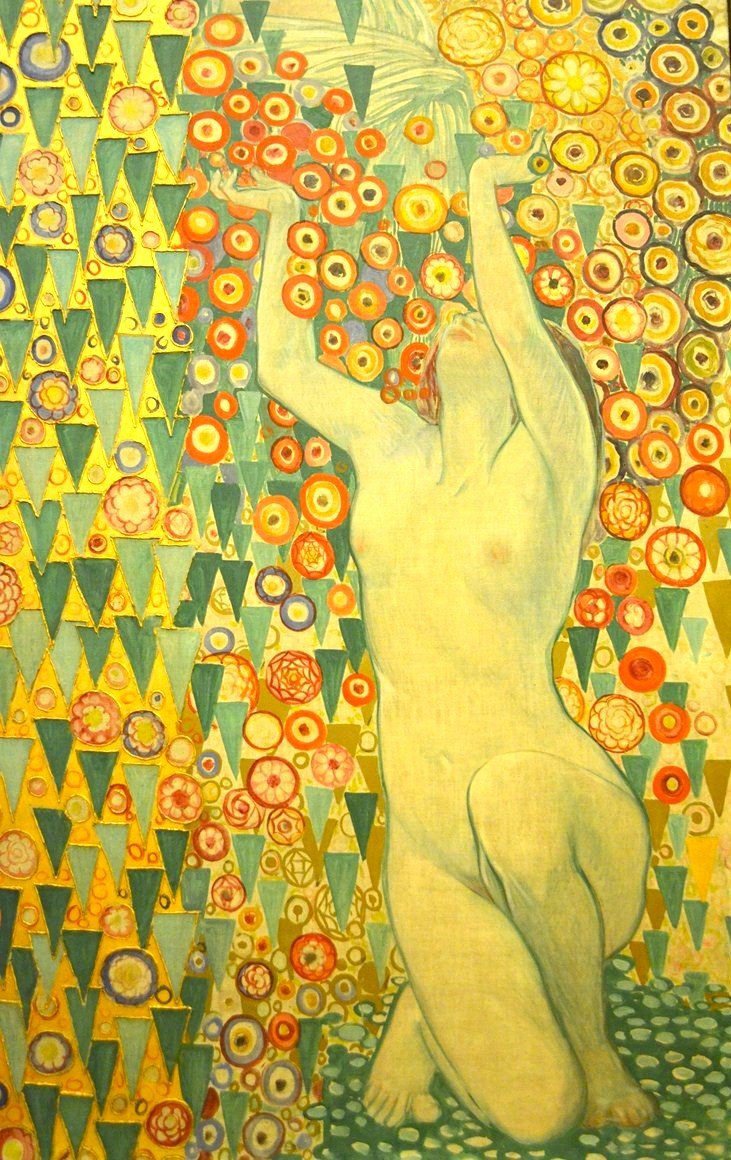
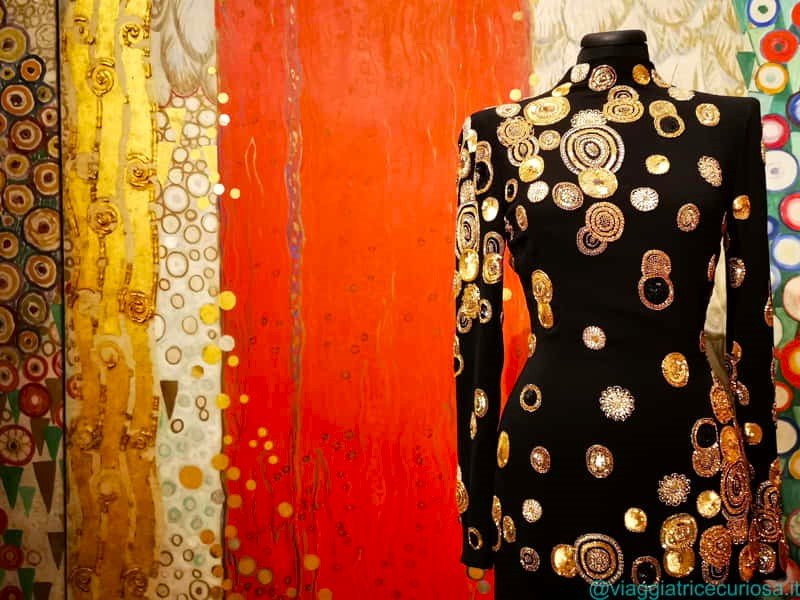
Along this path between frescoed salons, decorations and original furniture is a collection of works of decorative arts, fashion and costume from the 19th and 20th centuries. For fashion, the sumptuous dresses, original sketches and fashion accessories donated by important designers and famous fashion houses such as Valentino, Gattinoni, Renato Balestra, Sorelle Fontana, Raffaella Curiel, Marella Ferrara, Lorenzo Riva and Fausto Sarli stand out. The collection includes a Valentino dress inspired by Klimt’s work, some 19th century bridal gowns in damask satin, a collection of hats dating from the 19th century to the 1960s and a bequest of over one hundred garments donated by Palma Bucarelli, the famous and revolutionary director of the National Gallery of Modern Art in Rome from 1941 to 1975. Art, on the other hand, is represented by an important collection of works ranging from Futurism, Art Nouveau, Art Deco and Roman Modernism, created by artists who renewed the aesthetics of 19th and 20th century Italy, including Giacomo Balla, Giorgio de Chirico, Fortunato Depero, Duilio Cambellotti, Alfredo Biagini, Ernesto Basile, Felice Carena, Galileo Chini, Gian Emilio Malerba and Vinicio Berti.