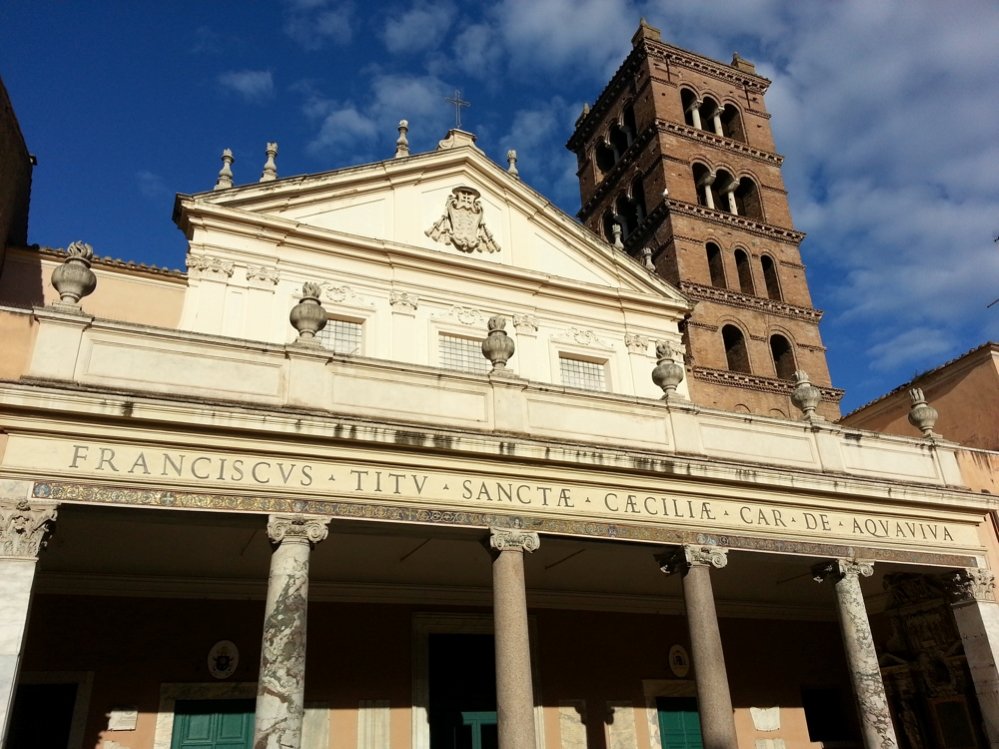
The Basilica of Santa Cecilia in Trastevere is one of the most incredible and legendary places in all of Rome.
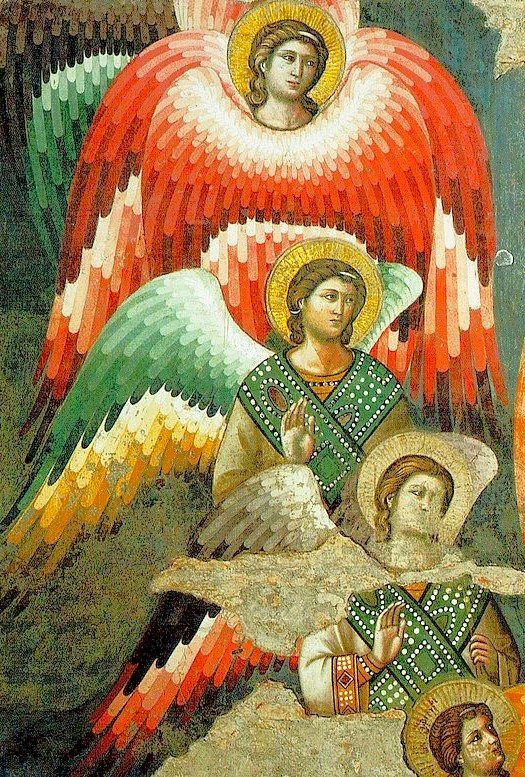
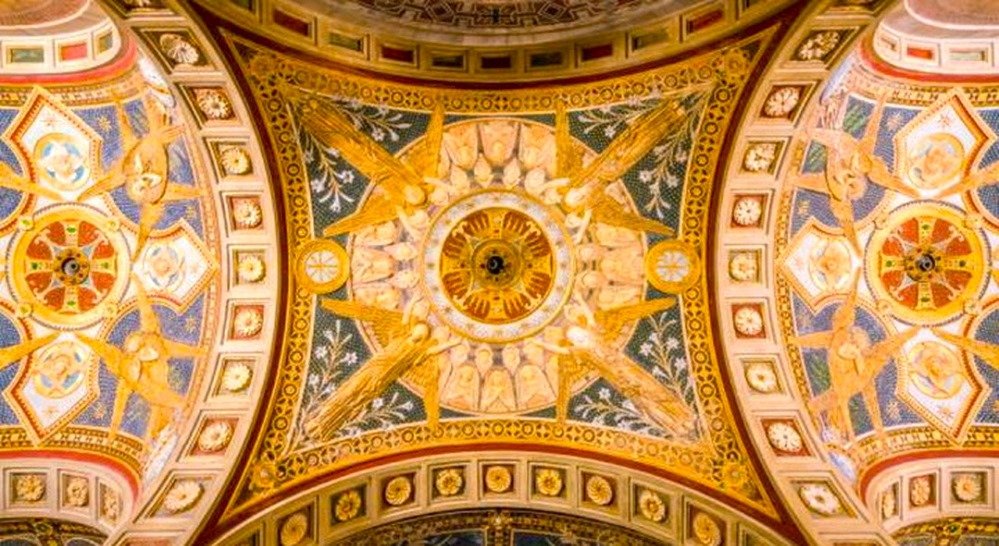
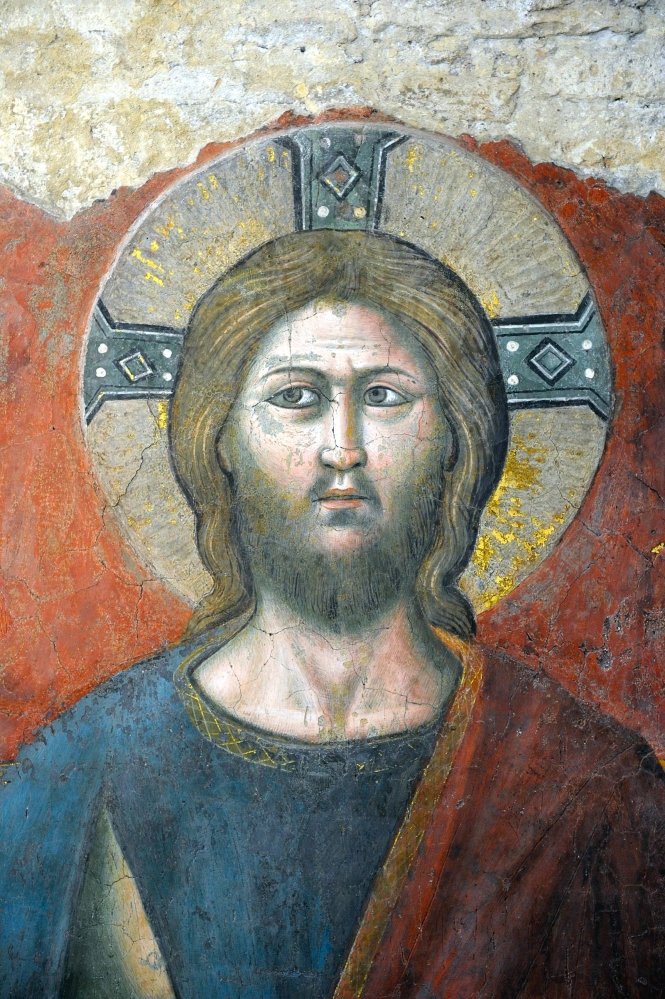
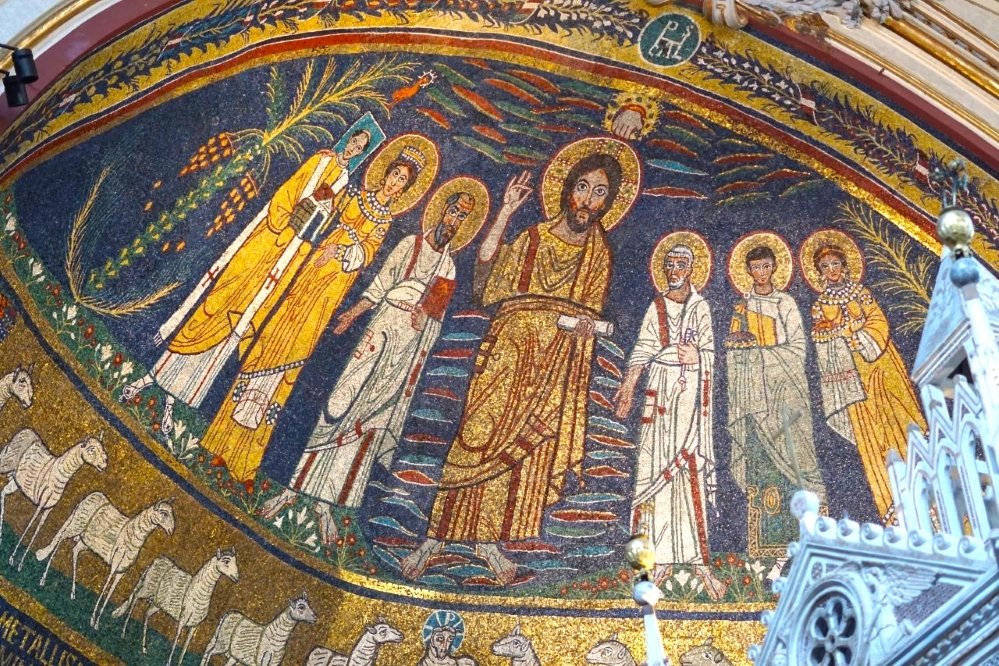
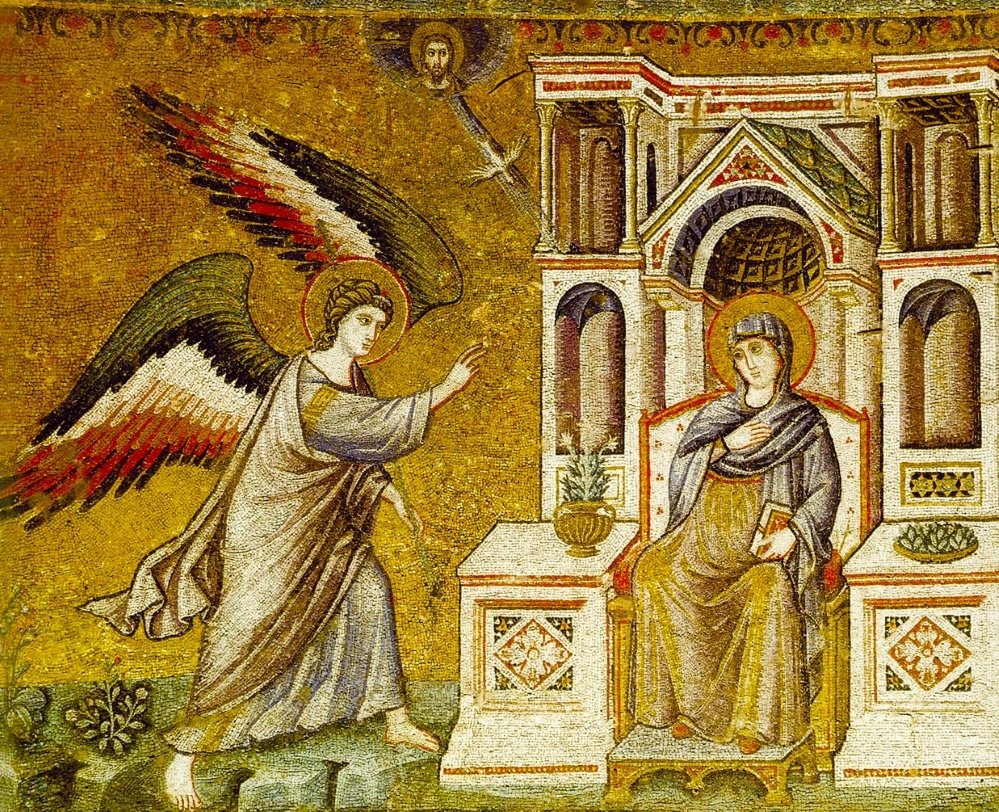
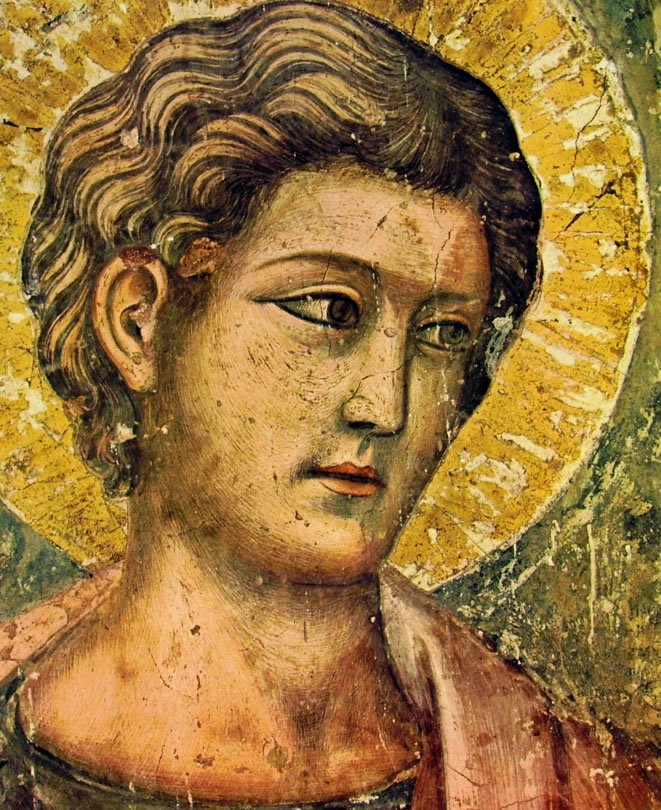
It is dedicated to the Christian martyr Cecilia who, guilty of trying to convert her husband Valerian and her brother Tiburtius to Christianity, was condemned to death between 222 and 230 AD, during the pontificate of Pope Urban I. She was subjected to the torture of the calidarium in the bath of her own house, the present church basement; after the third day had expired, not yet suffocated by the hot vapours, she was beheaded. Pope Urban I had her buried in the Catacombs of San Callisto, on the Appia Antica. In 822 Pope Paschal I retrieved Cecilia’s remains from the Catacombs and had a basilica built in her honour and a monastery erected on the site of her dwelling, where she died, inhabited since 1344 by the order of the Humiliati and since 1527 by Benedictine nuns. Between the 12th and 13th centuries, the cloister, atrium and bell tower were added. The painter Pietro Cavallini, who was probably Giotto’s master, frescoed the Basilica between 1289 and 1293 with the marvellous and very famous Last Judgement, in Byzantine style, in which Christ, depicted enthroned, is surrounded by angels with trumpets calling together the blessed and the damned, the Madonna and John the Baptist and, seated on stools, as in a choir, the Apostles. Also dating back to 1293 is another of the Basilica’s masterpieces: the Gothic ciborium in polychrome marble by Arnolfo di Cambio in the presbytery, which stands on four black marble columns with Corinthian capitals. The vault of the apse, embellished with a mosaic dating back to the 9th century, is also marvellous.
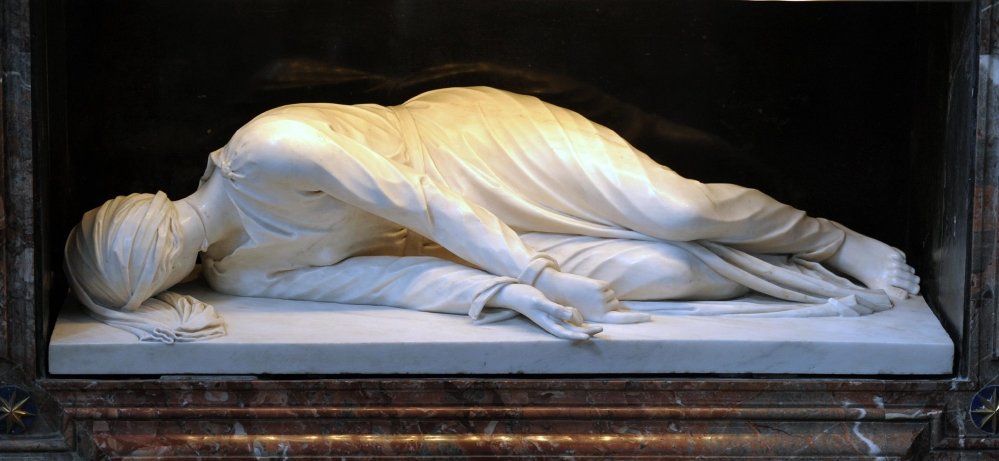
In 1599, an exceptional event took place: the body of St Cecilia was exhumed, which was found in a surprisingly good state of preservation, and the sculptor Stefano Maderno was commissioned with the marble statue, completed in the Jubilee year of 1600, which reproduces the exact position in which the saint was found. The work, a true masterpiece of sculpture, shows Cecilia lying as if asleep, her face turned to the ground, covered by a very thin veil and with the marks of her wounds visible on her neck.
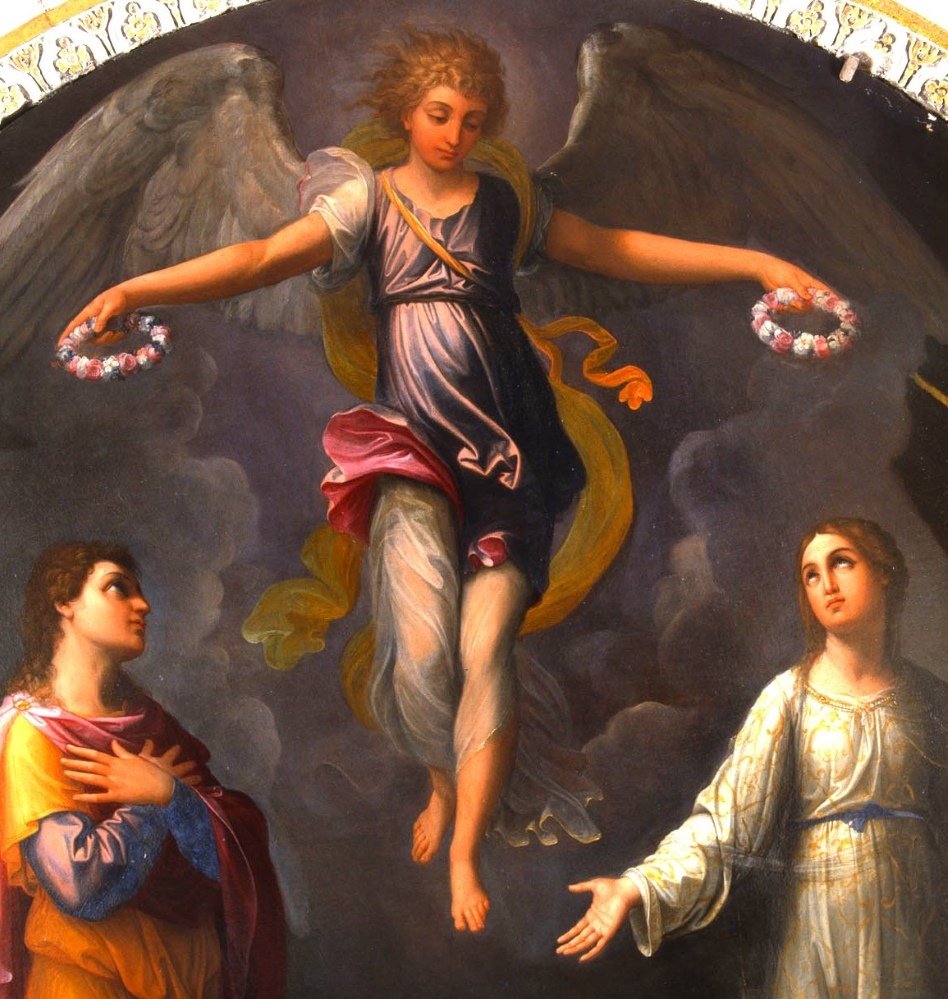
The following year, 1601, was the turn of a young Guido Reni, who produced two wonderful paintings for the Basilica: The Beheading of Saint Cecilia and The Mystic Marriage of Cecilia and Valerian.
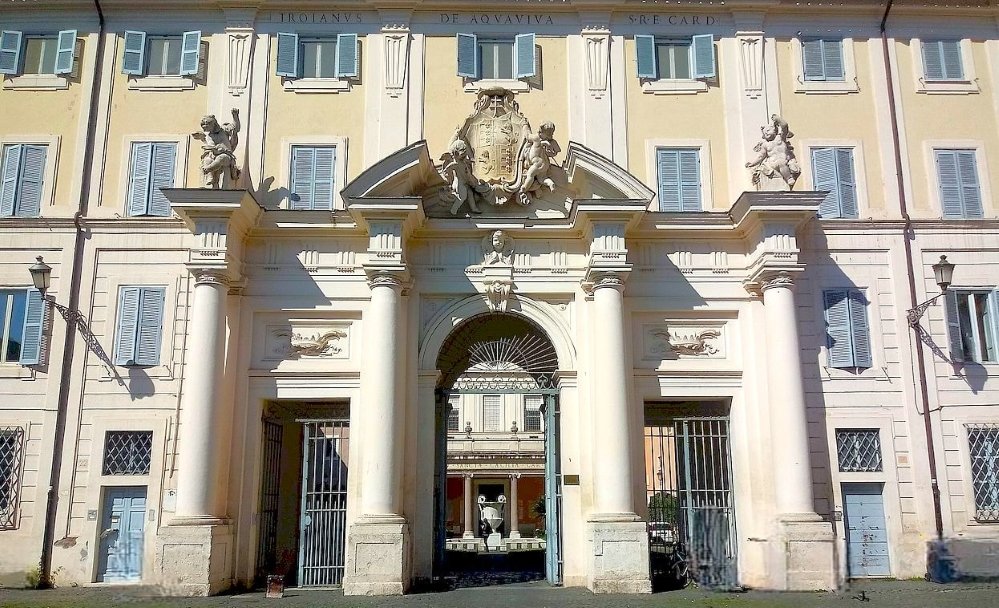
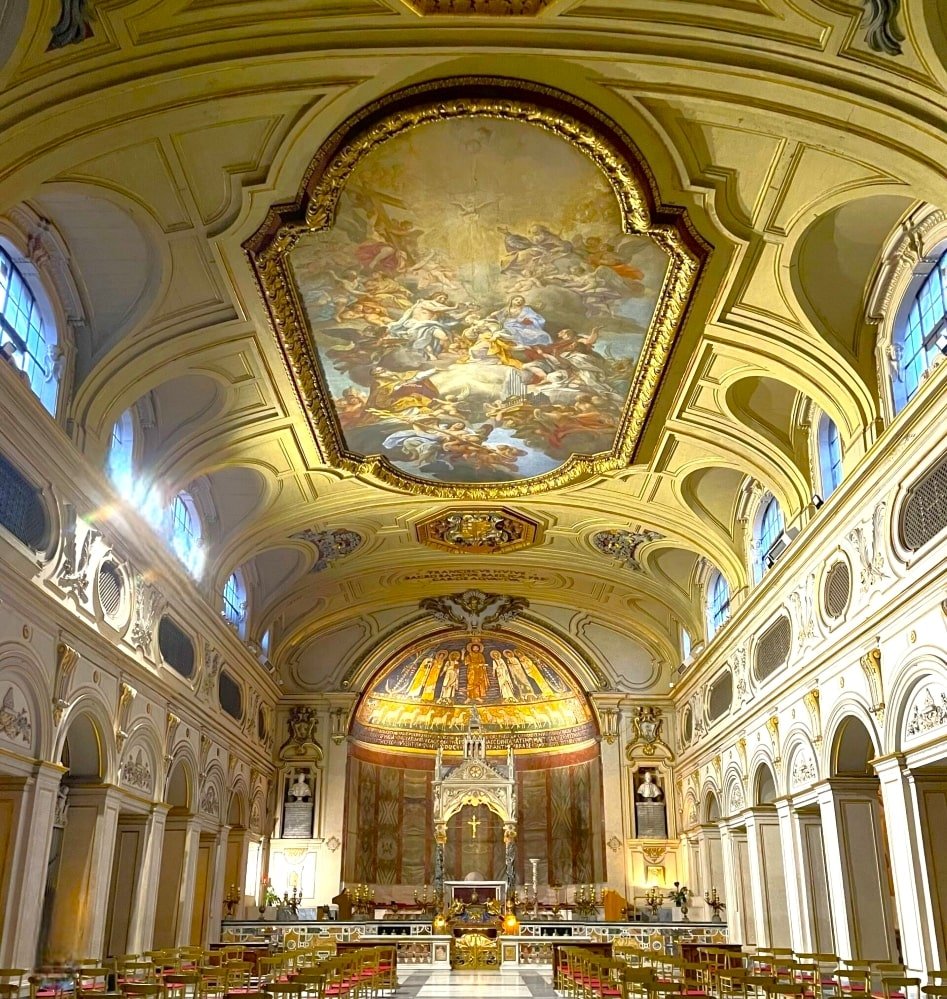
The transformations and embellishments of the Basilica, which increasingly became a treasure trove of masterpieces, continued into the 18th century: in 1723 Luigi Vanvitelli created the paintings for the Chapel of the Relics, in 1725 Ferdinando Fuga’s monumental and scenic façade was added, with ancient columns of pink granite and African marble, and in 1727 Sebastiano Conca’s fresco Apotheosis of St Cecilia was added to the vault of the Basilica.
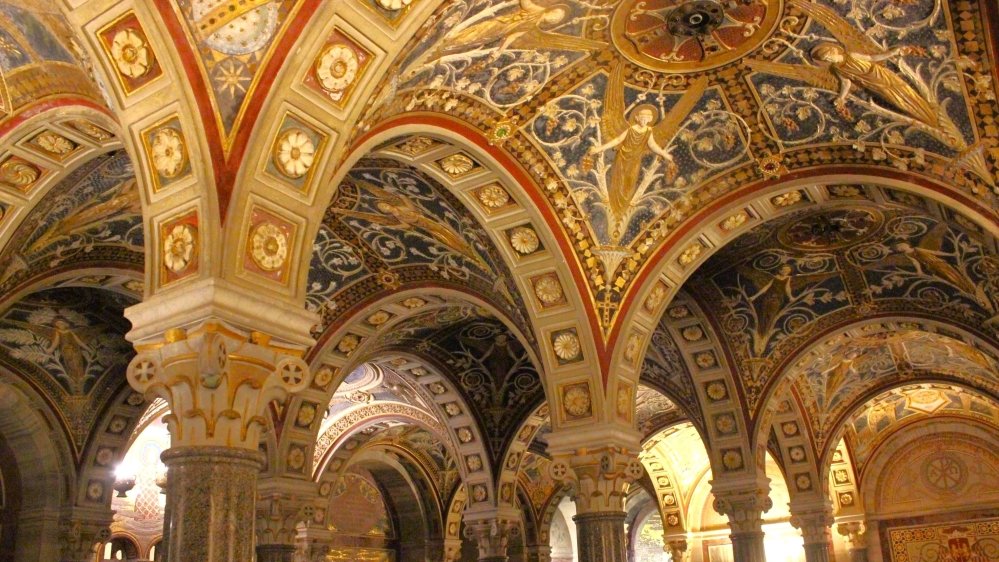
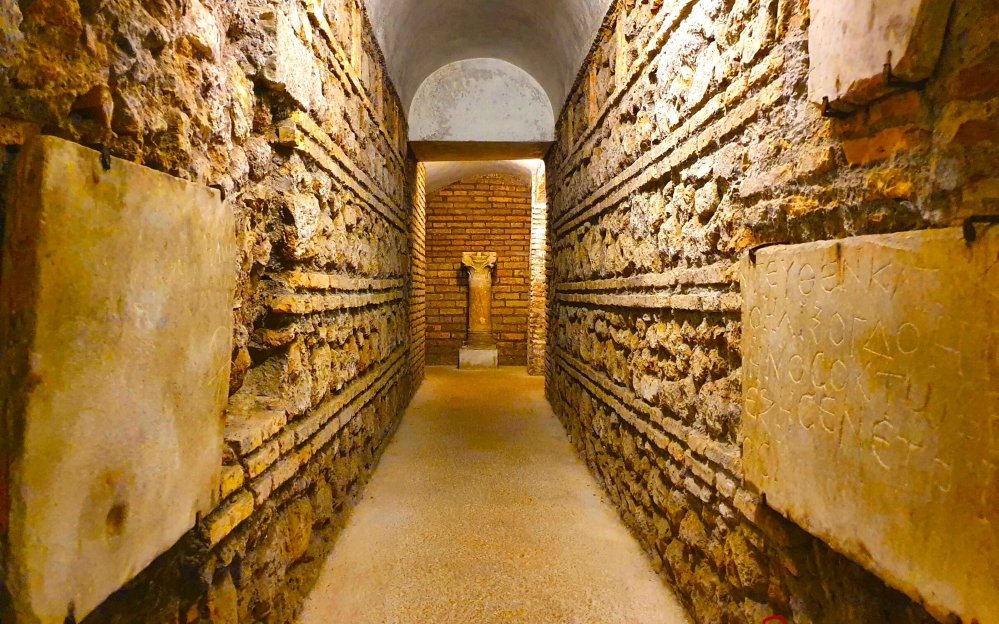
Taking part in this extraordinary guided tour will be like going on a journey through time, which will take us into the basement of the Basilica, to discover the ancient thermal baths and Roman houses dating back to the 1st-2nd century A.D., where Cecilia lived, some of whose black and white mosaic floors remain, and then back up to the surface to admire the masterpieces that, over a period of almost one hundred years, from the 9th to the 18th century A.D., have made the Basilica an absolutely unique and extraordinary place.