Gaius Cilnius Maecenas (68 BC-8 BC), a friend of Rome’s first emperor, Octavian Augustus, was one of the richest and most powerful men in ancient Rome. He had a sumptuous villa built in the Esquiline district, adorned with lush gardens, groves, fountains, and statues: the celebrated Horti di Maecenas. A man of great culture, Maecenas founded a circle of intellectuals and poets-which included Virgil, Horace, Livy, and Ovid, among others-that met at his opulent residence: the “Maecenas Literary Circle.”
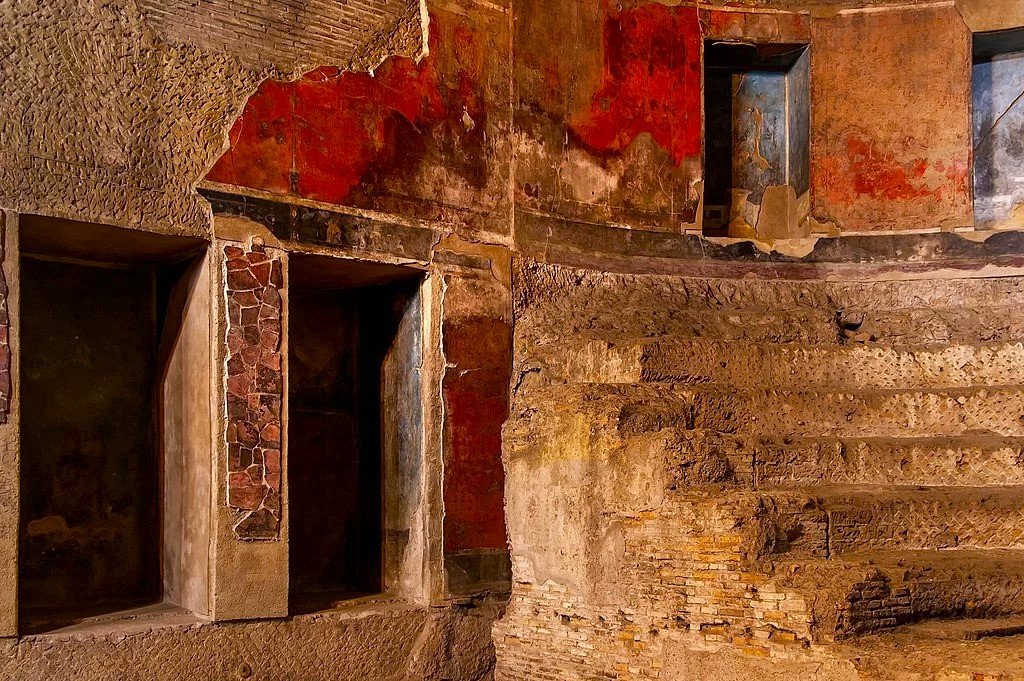
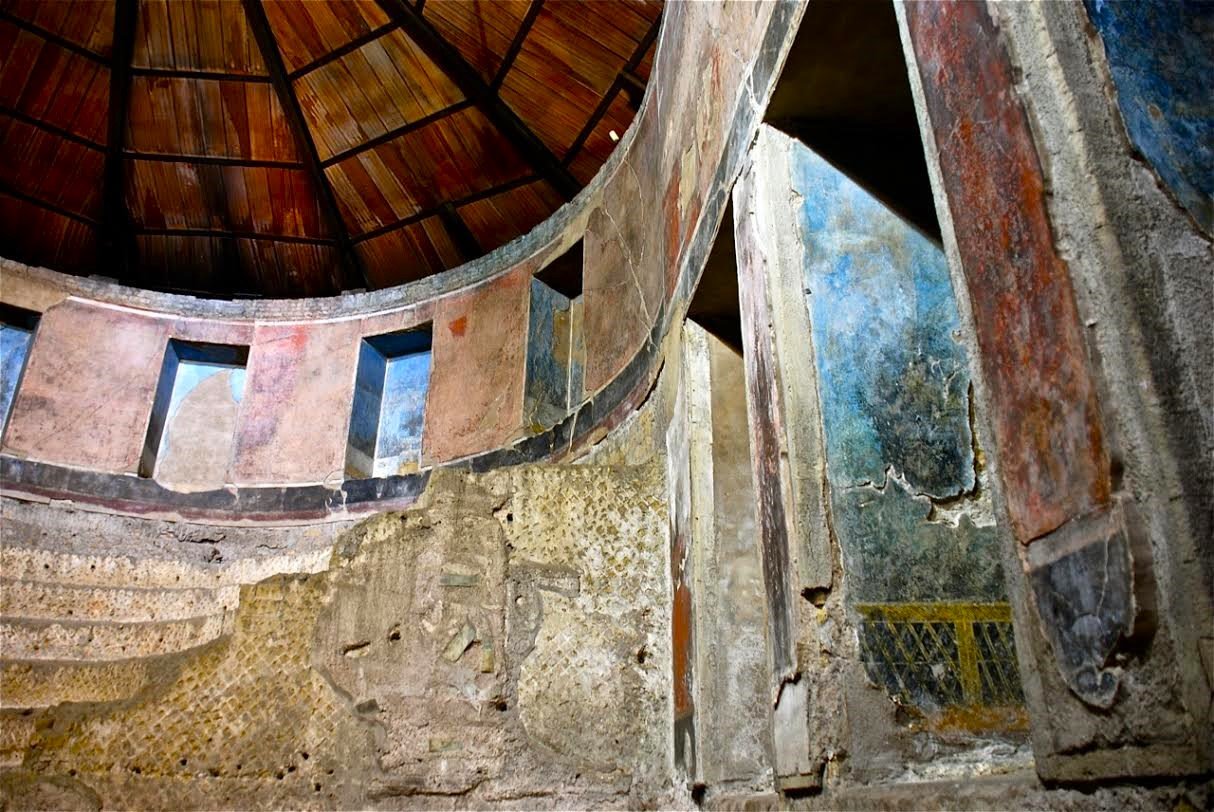
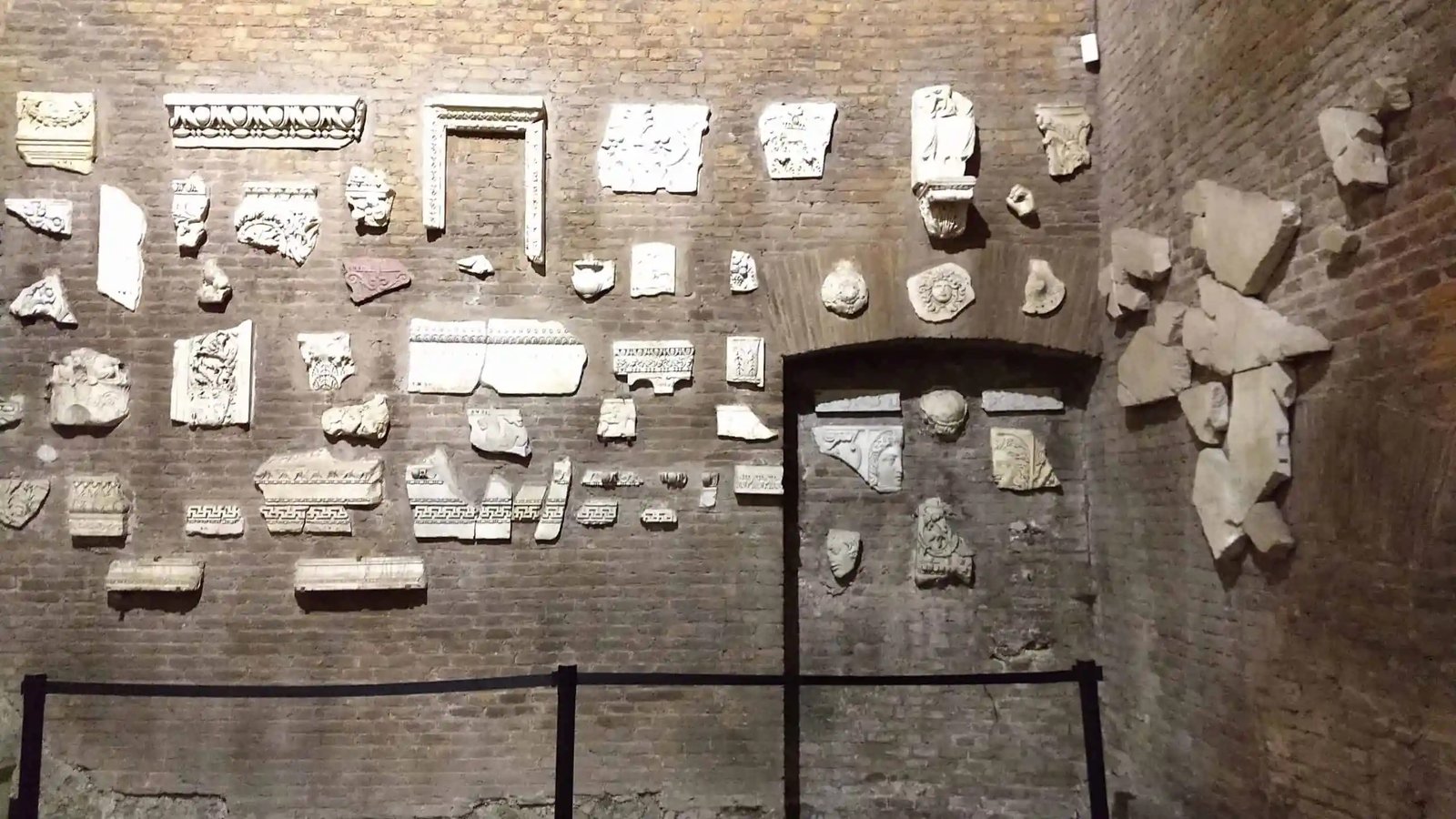
For centuries it was thought that the entire domus and its treasures had been completely lost, except for the artifacts exhibited in the Capitoline Museums in the “Halls of the Horti di Mecenate,” until the twist of 1847: during construction work on the new Esquiline quarter, a large room forming part of the glorious Horti was resoundingly found: a large semi-subterranean hall 13 meters wide and 24 meters long, equipped with a semicircular apse and a staircase consisting of seven narrow concentric steps. To its discoverers it appeared to be an Auditorium, a room, that is, dedicated to theatrical and musical performances, but scholars today unanimously agree that it was instead a wonderful “summer triclinium,” that is, a banquet hall, in which Maecenas and intellectuals met, gathered around triclini (beds on which Romans would lie down to eat) and tables laid with the succulent dishes that the host offered to his important guests. The basement hall ensured pleasant coolness even during the hottest months, and the bleachers, mistakenly thought to be the stands of an Auditorium, were actually part of a marvelous nymphaeum, a monumental fountain with a small waterfall that gently cascaded down the steps, cheering the intellectuals’ supper club.
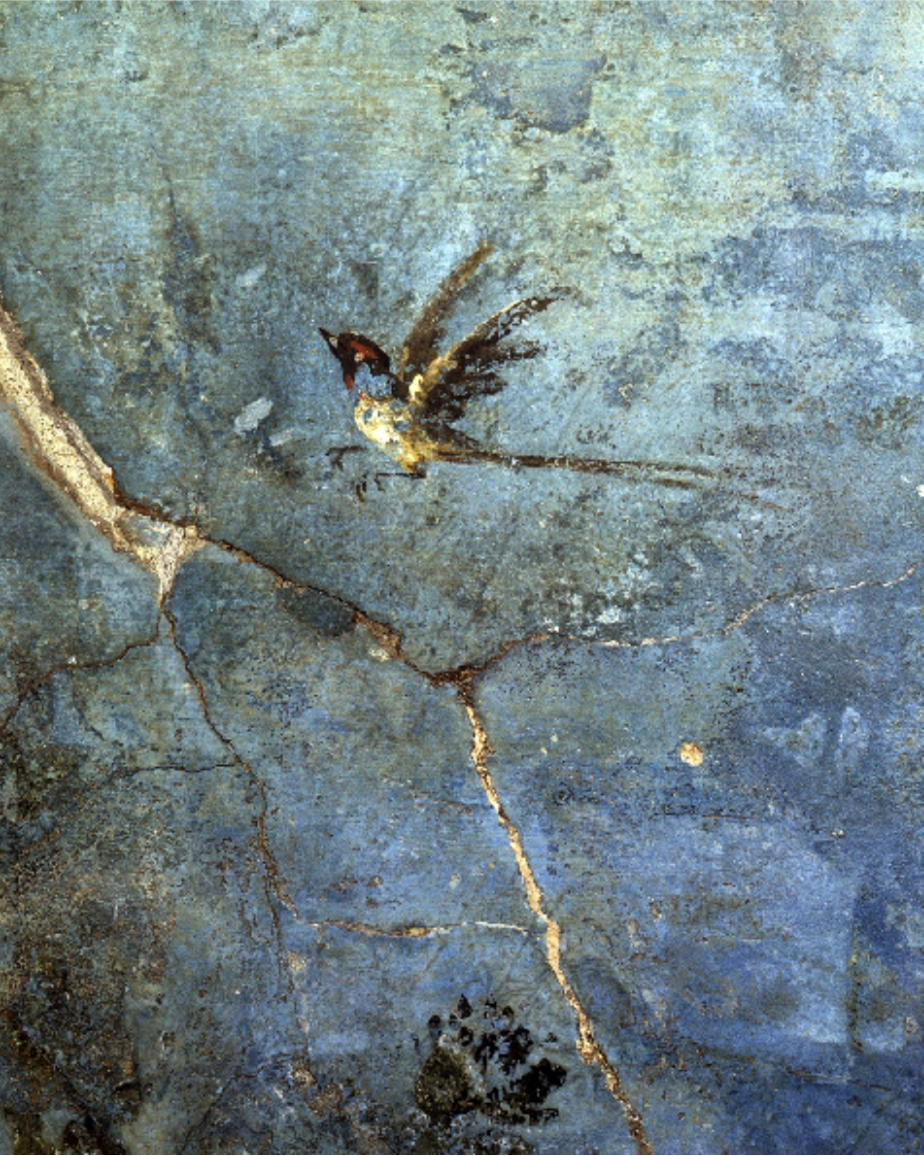
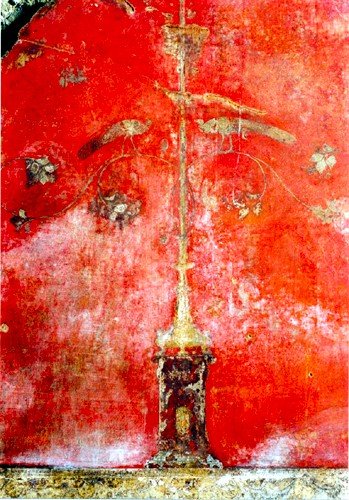
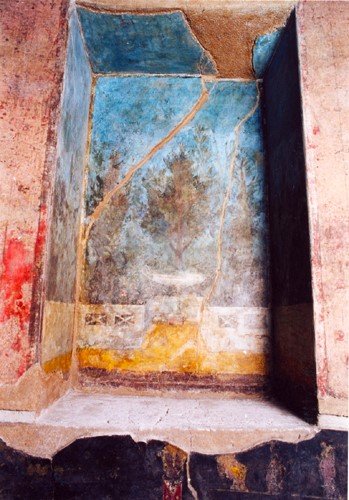
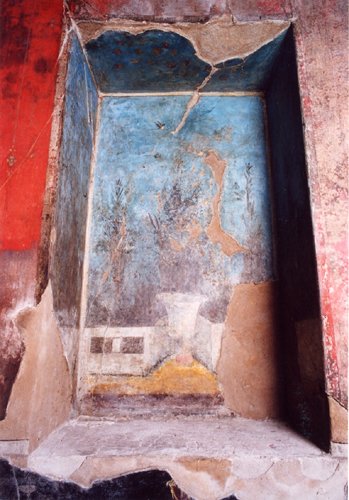
The pictorial decorations, which can still be seen today, provide a glimpse of the magnificence of this place that was once immersed in nature: the hall’s niches were frescoed with naturalistic scenes as if they were windows opening onto lush gardens with plants and flowers, birds taking flight, balustrades, pools and fountains. Some pictorial decorations have a background color of cinnabar red, a pigment that was very expensive at the time and that only particularly wealthy people could afford; other frescoes depict Dionysian scenes instead, recalling the convivial function of the triclinium.
This special visit is a journey back in time: it will be like going back to the 1st century AD and entering the heart of the Horti, hosts of Maecenas, inside his enchanting and refined triclinium-ninphaeum.